Our offers
Bois des Blétonnées
Auvergne-Rhône-Alpes
/
Ain
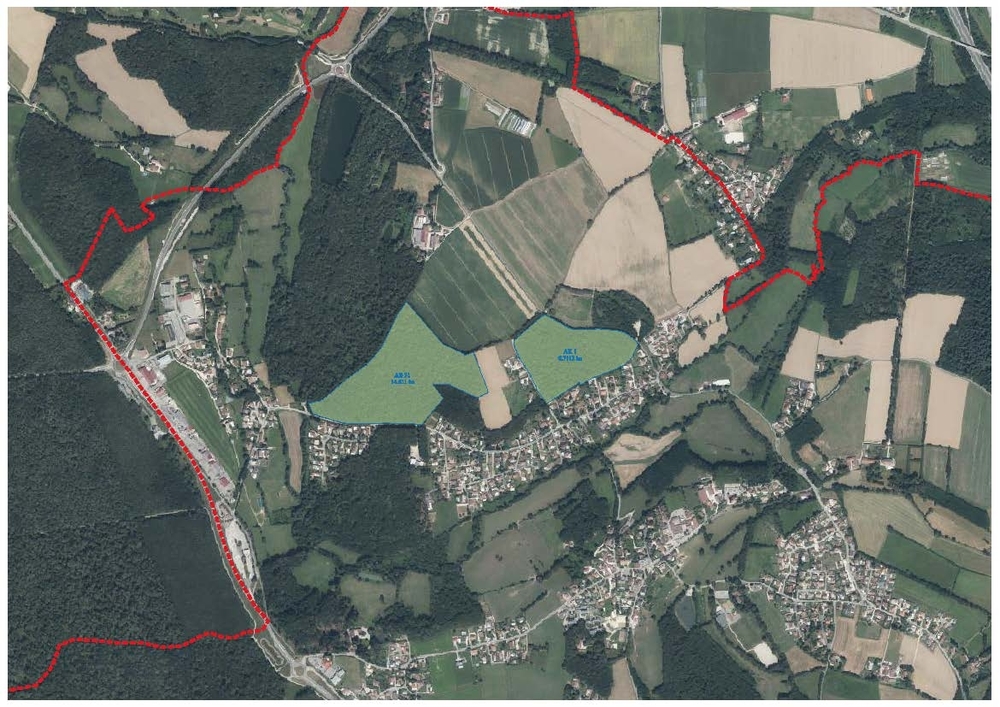
À 1 h depuis Lyon, 15 min de Bourg-en-Bresse et 1 h 20 de Genève, en deux parcelles très proches l’une de l’autre (160 m) le Bois des Blétonnées est à seulement 8 km de Bourg-en-Bresse.
After visiting and assessing, we have identified the following qualities:
- A massif of quality hardwoods
- Its geographical location in the Ain, between Lyon and Switzerland, not far from the A40 in a region favored by forest owners and sawyers.
- A forest diversified in species, presence of beautiful red oaks that will ensure the future of the property
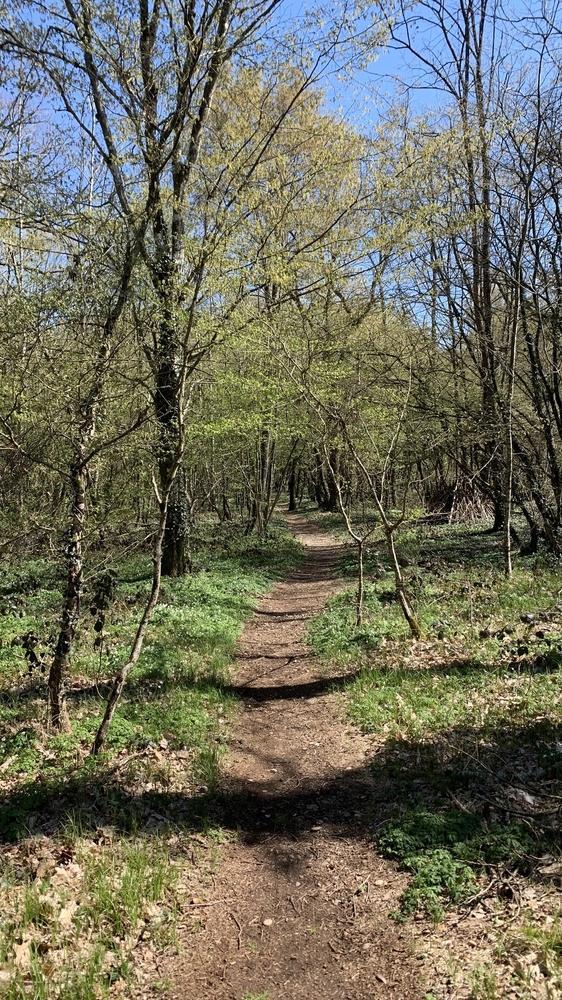
- An easily accessible property.
The forest
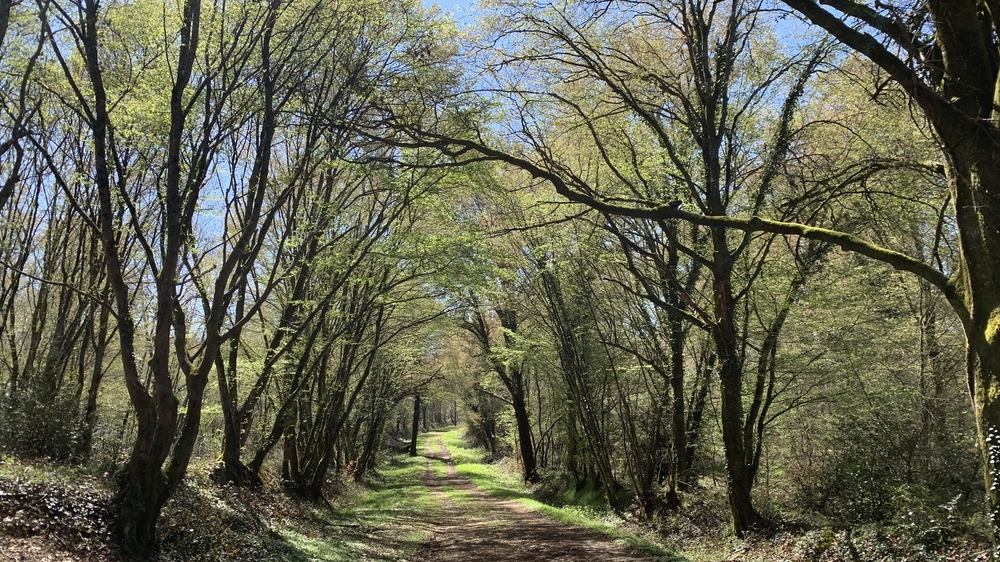
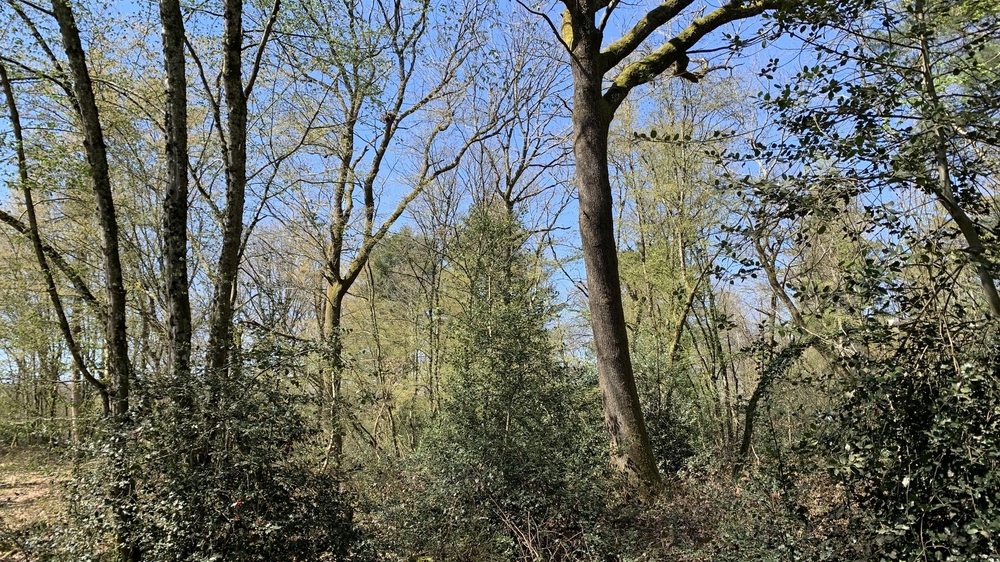
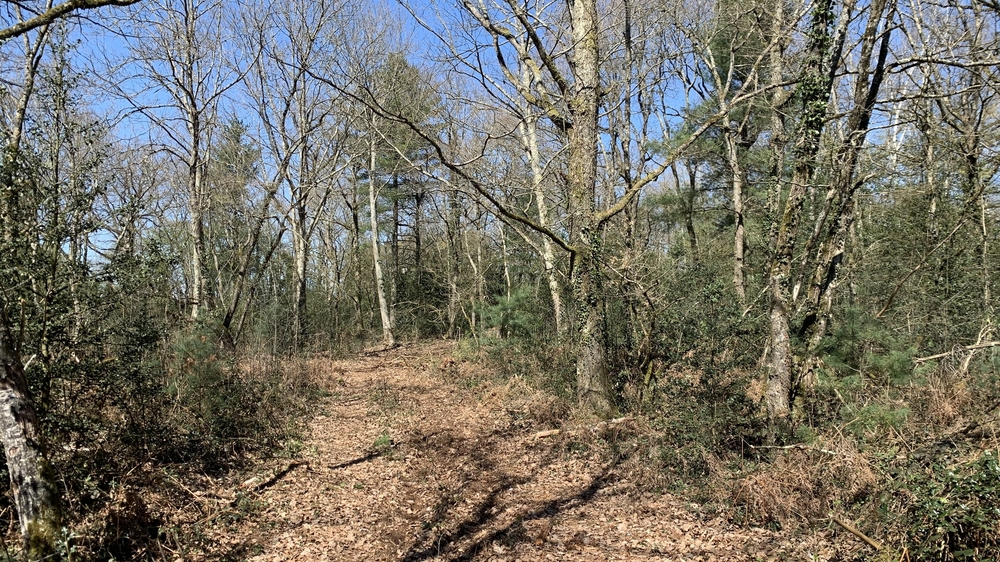
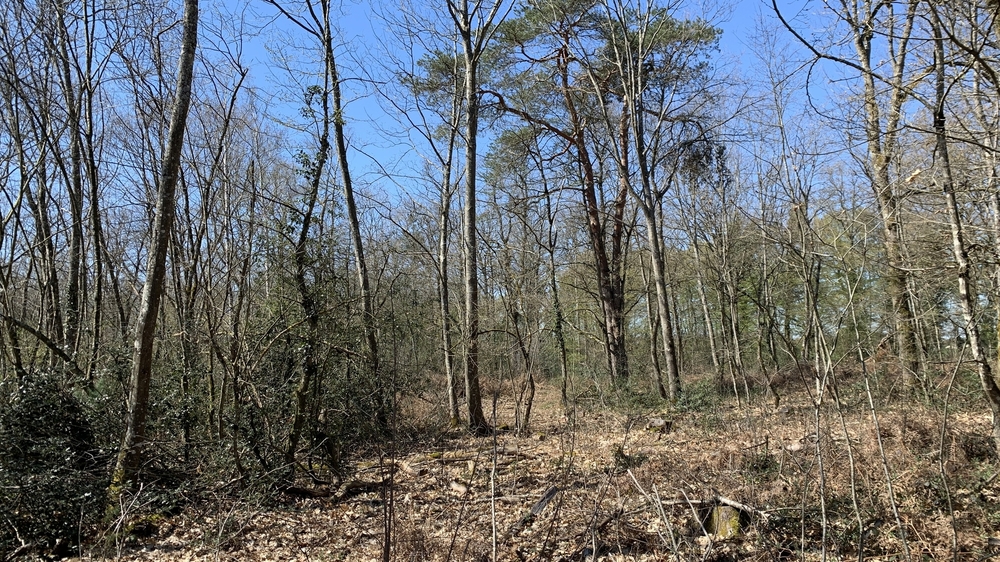
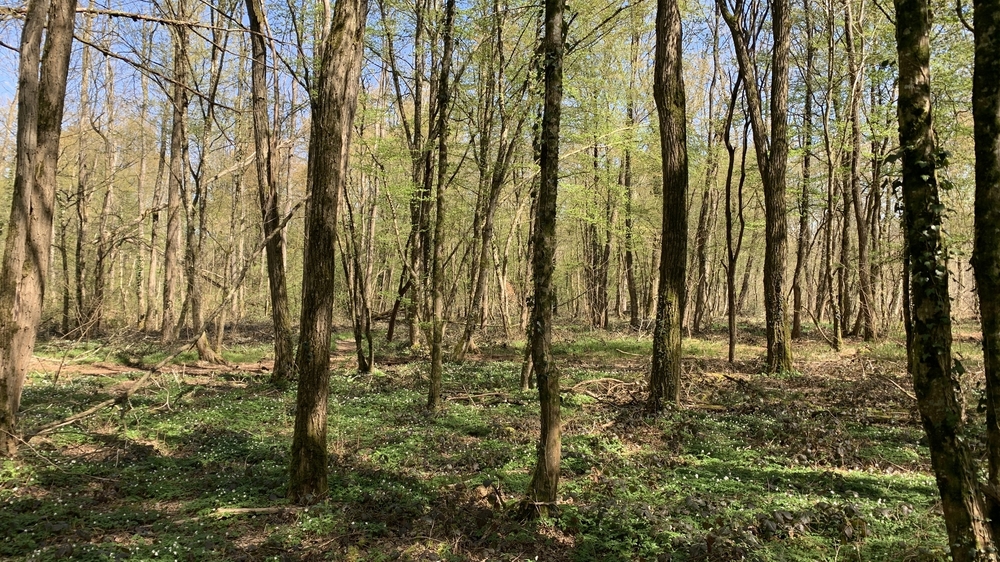
The stands in each plot are mixed coppices with reserves of high forest.Irregular high forest management has been applied since 2006.
- Two thinning operations have been carried out in Les Bétonnées,
- One in Le Chapeau where a new intervention would be desirable.
The coppices are dominated by hornbeam (birch, chestnut, oak).
Red oak has been introduced in some areas; some reserves previously existed and have produced poles and perches forming promising clumps.
To the west of the Bois du Chapeau, a thinned acacia coppice presents remarkable quality and volume.
The coppice is topped by a high forest of sessile oak (red oak, Weymouth pine in Les Bétonnées) with a fairly balanced structure. The quality of the trunks is average, as previous management was mainly oriented towards meeting firewood needs, with little concern for the production of quality timber. Indeed, the quality of the oaks can surely be improved by implementing appropriate silviculture.
Inventory
Throughout the property, an inventory was conducted by Jean-Loup Bugnot, a forestry expert, on September 21, 2022. All trees capable of producing timber were counted, by cadastral parcel, by species, by diameter class from 5 cm to 5 cm starting from the 20 cm diameter class, excluding coppice shoots intended for firewood.
Hunting
The biotope is particularly suited to hunting. The alternation of fairly open stands and proximity to agricultural lands gives the territory a mosaic of biotopes very favorable to game. Hunting is currently left to the communal association of Montagnat. Not far from the Domaniale de Seillon forest, on this massif, the game is mainly represented by roe deer, wild boar, and occasionally some passing deer.
Conclusion
- This small forest near Lyon and Geneva is an interesting property.
- The main value consists of quality oaks and the future of young stems that can be exploited or continue to be managed by thinning.
- On the deciduous part, it is possible to continue garden-like cuts to promote beautiful stems and start regeneration.
- Timber cuts will ensure income for the future owner and will improve the forest heritage.
- Natural regeneration is well established and ensures the future of this forest.