Forests for Sale: Our Listings
Bois du Roi
Hauts-de-France
Department:
Aisne
93 ha ha
Price:
Contact us


Grand domaine forestier en Champagne
Grand-Est
Department:
Marne
+ de 1700 ha ha
Price:
Contact us


Propriété du Moulin
Centre-Val de Loire
Department:
Indre-et-Loire
769 ha ha
Price:
Contact us





Forêt de la Saisine
Nouvelle-Aquitaine
Department:
Deux-Sèvres
473 ha 17 a ha
Price:
7.520.000 €
Bois Rhimbault
Grand-Est
Department:
Marne
302 ha 07 a ha
Price:
Contact us
Forêt de Bonnechose
Normandie
Department:
Eure
225 ha ha
Price:
4.700.000 €
Forêts de Bournique et du Schwartzenberg
Grand-Est
Department:
Bas-Rhin
210 ha ha
Price:
3.100.000 €
Rare ensemble forestier en futaie jardinée
Bourgogne-Franche-Comté
Department:
Territoire de Belfort
195 ha ha
Price:
3.200.000 €
Forêt de Carteresse
Provence-Alpes-Côte d'azur
Department:
Var
174 ha ha
Price:
400.000 €
Forêt de la Haute-Doller
Grand-Est
Department:
Haut-Rhin
169 ha 05 a ha
Price:
2.438.000 €
Forêts de Léran et du Ségala
Occitanie
Department:
Ariège
163 ha ha
Price:
1.700.000 €
Bois de Saint-Agnan
Bourgogne-Franche-Comté
Department:
Saône-et-Loire
146 ha 71 a ha
Price:
2.000.000 €
Forêt de Larré
Bretagne
Department:
Morbihan
134 ha 98 a ha
Price:
1.900.000 €
Domaine du Chevrier
Centre-Val de Loire
Department:
Loiret
131 ha ha
Price:
1.043.000 €
Domaine de la Bézardière et Beaumontais
Centre-Val de Loire
Department:
Indre-et-Loire
109 ha 25 ha
Price:
Contact us
Les chênaies
Bourgogne-Franche-Comté
Department:
Nièvre
99 ha ha
Price:
2.700.000 €
Bois de Pinceloup et de Pincourt
Île-de-France
Département:
Yvelines
63 ha 98 a ha
Prix:
1.200.000 €
Domaine de Roucor
Occitanie
Département:
Tarn
60 ha 63 ha
Prix:
1.250.000 €
Bois des Sables
Hauts-de-France
Département:
Oise
59 ha ha
Prix:
1.400.000 €
Forêt de Brévignon
Centre-Val de Loire
Département:
Loir-et-Cher
59 ha ha
Prix:
655.000 €
Forêt du Petit serre
Auvergne-Rhône-Alpes
Département:
Ain
59 ha ha
Prix:
650.000 €
Bois de la Côte
Bourgogne-Franche-Comté
Département:
Haute-Saône
56 ha 23 a ha
Prix:
372.000 €
Haut Parc d'Issou
Île-de-France
Département:
Yvelines
44 ha ha
Prix:
350.000 €
Bois de Melleroy
Centre-Val de Loire
Département:
Loiret
40 ha 64 ha
Prix:
550.000 €
Bois des Bazins
Bourgogne-Franche-Comté
Département:
Yonne
39 ha ha
Prix:
800.000 €
Bois des Furtilles
Bourgogne-Franche-Comté
Département:
Côte-d'Or
37 ha ha
Prix:
405.000 €
Bois de la Côte d'Est
Île-de-France
Département:
Seine-et-Marne
30 ha 96 ha
Prix:
310.000 €
Bois de Conon
Centre-Val de Loire
Département:
Loir-et-Cher
29 ha 66 ha
Prix:
Nous consulter
Bois de Kerguesténen
Bretagne
Département:
Morbihan
27 ha 48 ha
Prix:
260.000 €
Bois des Landes
Centre-Val de Loire
Département:
Indre-et-Loire
27 ha 14 ha
Prix:
325.000 €
Terres agricoles de Pritemoux
Centre-Val de Loire
Département:
Indre
26 ha ha
Prix:
115.000 €
Bois des Hariats
Bourgogne-Franche-Comté
Département:
Yonne
25 ha 69 ha
Prix:
420.000 €
Forêt des Moussières
Occitanie
Département:
Tarn
24 ha 84 ha
Prix:
240.000 €
Bois de la Forêt
Centre-Val de Loire
Département:
Loiret
23 ha 29 ha
Prix:
Nous consulter
Bois des Blétonnées
Auvergne-Rhône-Alpes
Département:
Ain
23 ha ha
Prix:
230.000 €
Bois des Célestins
Île-de-France
Département:
Seine-et-Marne
19 ha ha
Prix:
430.000 €
Bois du Vieux Monthier
Grand-Est
Département:
Meuse
15 ha ha
Prix:
450.000 €
Bois de Verde
Centre-Val de Loire
Département:
Loiret
11 ha ha
Prix:
165.000 €
Bois des Fonds Saint-Sauveur
Île-de-France
Département:
Yvelines
8 ha ha
Prix:
105.000 €
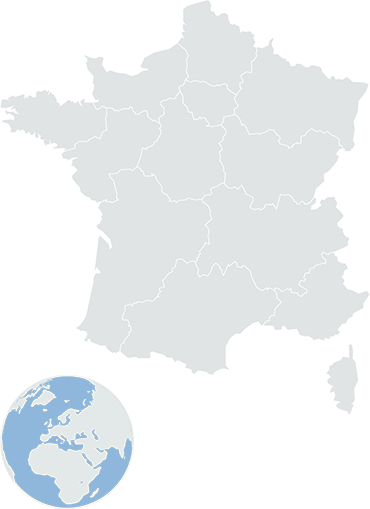
Toutes les offres (40 offres sur 40)
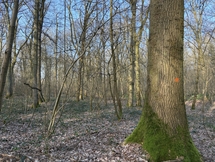


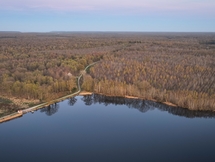


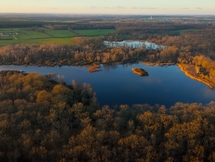

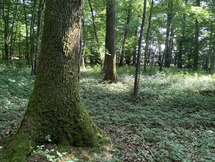
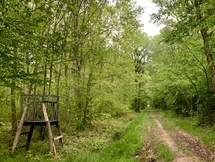
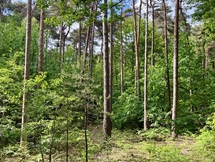
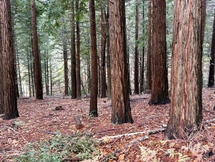
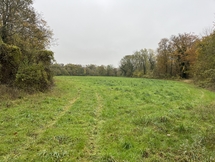


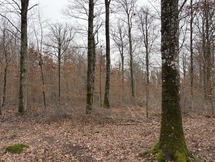
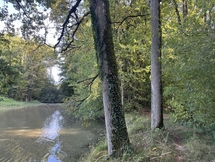
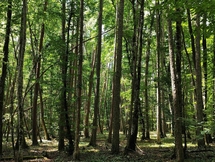
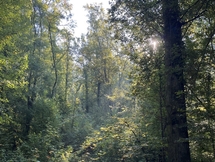
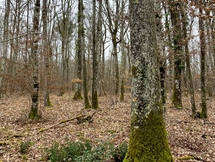
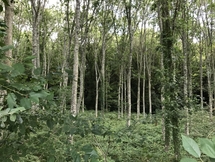
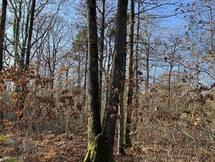


Our latest sales
-
Understanding Forest Sales
-
“Accompany nature and hasten its work,” this old adage attributed to Adolphe Parade is well known among foresters, who put it into practice every day. Forêt Patrimoine, a specialist in the purchase and sale of forests, travels across France and its departments in search of properties that will allow new forest owners to bring it to life!
Buying a forest means stepping right into an ecosystem to understand, to embrace, to support. An ecosystem that produces a noble resource: wood. A sector with many professions to discover. Passionate people to meet.
The general public is increasingly interested in the forest, in forest investment, in silviculture.
If you have a forest to sell, here you will find a few keys to understanding the forest environment, forest management, forest pricing, and our perspective on the specific features of this type of investment.
-
-
The different forest areas
-
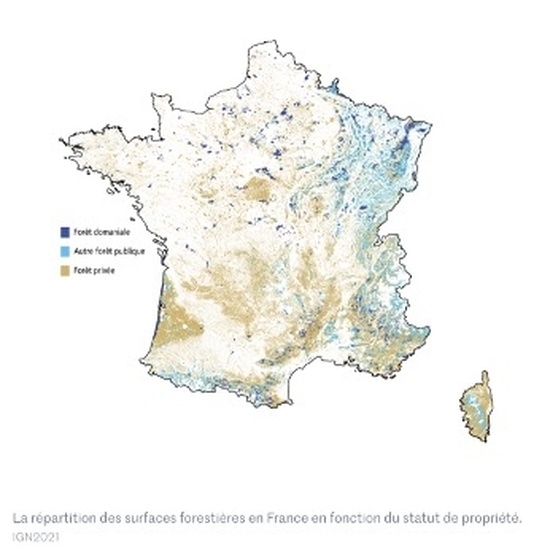
17 million hectares of forest in France, 75% privately owned forests
According to the IGN, which updates the forest inventory every year, forests cover 17 million hectares in metropolitan France and 8.24 million hectares overseas, an area that has steadily increased since the second half of the 19th century. Forests now cover 31% of French territory compared to 19% in 1908. This represents the largest land use after agriculture.
These forests are 75% privately owned.
©IGNA whole forest history
When purchasing a forest, one acquires a set of “cadastral plots.” The study of land registry records and field experience reveal the extreme fragmentation of forests and, at the same time, the rarity of compact forest blocks exceeding 50 hectares that Forêt Patrimoine markets. The large forest expanses admired in today’s landscape often belong to distinct owners who coexist within the same forest area.
This phenomenon can partly be explained by historical reasons that are important to understand when considering an acquisition, because buying a forest means rooting one’s assets in an ancient history. Forest is a real estate asset that holds a unique place in French culture.
As historian Sébastien Poublanc explains “Since the Middle Ages, access to a forest has been essential, regardless of social status. It provides heating, food, construction materials, and also serves as a refuge, particularly during wartime; it supplied the equivalent of electricity and oil to past civilizations.”The Water and Forest Administration regulated the forests of the king and the Church as early as the 13th century. Those belonging to lords and private individuals were ultimately “little known to the State” in those early times.
During the French Revolution, the State appropriated the property of the clergy and the fleeing nobility, including forests. They were divided into plots and resold in 1827 to replenish State finances following the Napoleonic period. With rural exodus in the mid-19th century, and until 1950, agricultural plots were abandoned, reclaimed by the forest and then passed down through inheritance in small fragments whose uses varied: timber harvesting, leisure, hunting, or abandonment to nature…
Today, 3.3 million forest ownersToday, French forest owners represent all social classes, from workers to CAC 40 executives: in total, no fewer than 3.3 million owners share privately owned forests. This figure hides an important reality: two-thirds of them own less than one hectare each, to the extent that some do not even know the location of their property and are unfamiliar with it.
Among these 3.3 million owners, only 50,000 people own areas exceeding 25 hectares and only 9,000 of them own more than 100 hectares, as shown in the graph below.
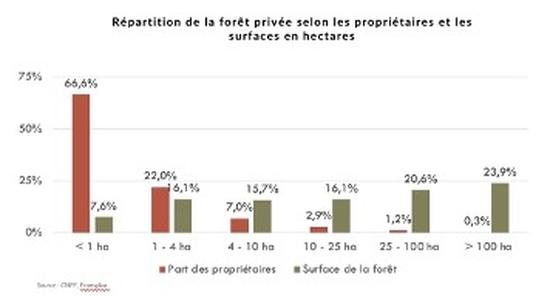
©Forêt Patrimoine - Comité des ForêtsLegend: Distribution of privately owned forests according to owners and surface area in hectares. Source: CNPF, Fransylva
As we can see, the majority of France’s forest assets belong to a minority of “large private owners” or companies that hold the largest share (23.9%) of privately owned forest area: La Société Forestière de la Caisse des Dépôts, major insurance groups, for example, operating primarily within a profitability-driven approach. These large owners also include a few rare families who have built remarkable forest estates over generations, reflecting their family history and centuries-old forestry expertise, sometimes particularly meaningful at a time when climate change is on everyone’s lips and when forests are viewed as a lifeline for the planet.
All forest plots fall under the Forest Code, which requires owners of forests larger than 25 hectares to establish and obtain approval from the CNPF for a “simple management plan” describing the timber harvests they plan to carry out over the next 10 or 20 years. The 50,000 owners with more than 25 hectares thus account for three-quarters of timber sales, supplying professionals such as sawmills.
-
-
Understanding the forest stand of a forest for sale
-
A forest is composed of one or more “stands.”
A “stand” refers to the group of young and mature trees forming the woody vegetation growing on forest land, excluding shrubs, bushy plants and herbaceous species — that is, trees or species capable of reaching at least 5 meters in height.
Stands have characteristics that vary depending on:
- The method of tree regeneration: through the seeds they produce (high forest) or through stump shoots (coppice), a phenomenon that distinguishes different stand “regimes”: high forest, coppice, or coppice-with-standards.
- Their “structure” by age classes or diameter classes.
- Their “composition,” meaning the species that make them up.
- Understanding the typology of the woodland you intend to purchase is essential.
Our experience, combined with the expertise of the Comité des Forêts specialists, enables us to support you from discovering forest assets to ensuring their sustainable management, in line with the principle of Adolphe Gurnaud that we embrace:
« A forest is capital that generates its own interest. The whole question is to determine this increment and the conditions under which it will be advantageous, so that it may be harvested without harming the capital and without compromising the reconstitution of the interest — that is, its future growth. »
Adolphe GURNAUD (1825-1898), 1890
Forest management must necessarily adapt to the type of stand and its characteristics. The broader context (climate, suitability of species to the soil, local challenges) and above all the owner’s expectations — yours, therefore — are the other key factors that determine the silvicultural actions to be implemented.
The different types of forest stands in France
Forêt Patrimoine operates throughout French territory, across its regions, departments, climates and landscapes… Here are the different types of stands encountered:
Simple coppice
A stand composed of shoots arising from stumps following the cutting of the previous stand. Simple coppice consists of trees of the same age, therefore of roughly the same dimensions, mainly broadleaf species.
Possible silviculture: Depending on the quality of the species, the standards and the site, several management plans may be considered:
- Maintain the site as coppice;
- Convert it into even-aged high forest through successive thinning followed by clear-cutting or final felling, then regeneration;
- Convert it into uneven-aged coppice-with-standards or uneven-aged high forest through improvement cuts followed by selection cutting, possibly supplemented by planting.
Coppice with standards
This is a mixture of high forest trees grown from seed or planted stock and coppice stools arising from stump shoots or root suckers. The proportion of coppice shoots and standards varies from one stand to another. The coppice may be confined to the understory or, conversely, extend into the dominant layer. The high forest component sometimes consists of conifers or a mix of broadleaf and conifer species.
Possible silviculture: As with simple coppice, the quality of the site, the existing timber and the dominance of certain species will guide the forester toward either even-aged or uneven-aged management of the plot.
Even-aged high forest
A forest stand composed of trees grown from planting or seed. On a homogeneous site, the trees are of roughly the same age and similar dimensions. These trees are known as “seed-grown trees.”
Possible silviculture: In these stands, it is possible to continue even-aged management or opt for uneven-aged management: improvement cuts are then carried out while preserving high-quality young stems and staggering harvests.
Uneven-aged high forest
A stand composed of trees of varying ages and sizes in which not all development stages are necessarily represented. In a “balanced” uneven-aged high forest, all stages are present, from seedlings to large timber, including saplings, poles, small timber and medium timber.
Possible silviculture: In these stands, management must adapt to the quality of the existing timber, the soil and climate evolution in order to choose whether to maintain uneven-aged management or move toward even-aged management:
- If the species are unsuitable, the method may sometimes be radical: reforestation as even-aged high forest may be carried out after clear-cutting.
- If a single tree category dominates, the forest may be “converted” through selective retention in favor of a specific tree type.
The species that make up French forests
Legend: the main tree species in France. Source: Wikipedia, IGN, Les Échos, CNPF
190 species: 65% broadleaf, 25% conifer
Overseas departments and regions in the Americas and Oceania boast exceptional ecological richness with more than a thousand species.
In metropolitan France, there are nearly 190 different species and 7 main species: oak, beech, chestnut, maritime pine, Scots pine, spruce and fir.
The forest inventory maintained by the IGN (National Institute of Geographic and Forest Information) records 142 broadleaf species among the 190 present in the territory.
The rich, diversified and steadily growing French forest (0.7% per year) is divided into two equivalent shares:
- Pure, monospecific stands where one species dominates more than 75% of the canopy. Nearly half of French forests (7.1 million hectares) consist of this type, such as the Landes forest where maritime pines were exclusively planted.
- Forests with two or more species, such as in the North-East and the Massif Central where beech, oak and chestnut are found (7.8 million hectares).
The forests of North-East France and the Massif Central are the most diversified. In contrast, the Landes forest is a vast monospecific forest dominated by maritime pine. You can observe species diversity and their distribution across the territory by browsing the interactive map produced by the forest inventory.
Distribution of main forest species, ©IGN 2022 (source: https ://inventaire-forestier.ign.fr/spip.php?rubrique78)
Oak (lat. Quercus)
There are around 250 oak species worldwide. Their only common feature is that they produce acorns.
Pedunculate oak (lat. Quercus robur)
Height: 30 to 40 meters
Maturity age: 40 to 60 years
Lifespan: 400 to 1000 years
It represents 17% of France’s forested area.
It is the noblest of trees, the tallest of all Western European oaks. A majestic tree with a robust trunk, its silhouette is imposing and elegant. Its very high-quality wood has the greatest value and range of applications. It was once used to build ships (2,000 trunks for a large sailing vessel).
It differs from sessile oak by its long-stalked acorns and leaves without petioles.
Sessile oak (lat.Quercus petraea)
Height: 30 to 45 meters
Maturity age: 50 to 60 years
Lifespan: 500 to 1000 years
It represents 13.5% of France’s forested area.
The finest sessile oak forests in France are those of Bellême (Orne), Bercé (Sarthe) and Tronçais (Allier).
As widespread as pedunculate oak, they are sometimes difficult to distinguish. Observing their stalks (peduncles) is the easiest way to tell them apart. Sessile oak keeps its brown leaves throughout winter, whereas pedunculate oak loses them at the end of autumn. There are many hybrid oaks between sessile and pedunculate oak, making identification sometimes difficult.
-
-
Why buy a forest? The motivations for investing in forestry
-
75% of French forests are owned by private landowners. The price of French forests is on average lower than in the rest of Europe, and this investment is attracting increasing interest from individuals and institutions for various reasons:
Demand for timber is increasing, driving capital appreciation:
Since 2008, demand for timber has been rising due to the growth and development of forest-related products.
Even paper recycling efforts have had little impact on overall demand.
Timber is a hedge against inflation:The value of timber increases “on the stump” at a rate higher than inflation. According to Jeremy Grantham, timber prices over the past century (1905–2005) also rose at a rate approximately 3% above inflation.
Timber returns outperform equities over the long term:
Timber sales follow construction material prices. Timber therefore provides protection against crises and inflation.
Timber has low correlation with other asset classes:Commercial forest land prices are influenced by a set of economic and market factors different from those affecting other asset classes. Since prices are not driven by the same factors, timber returns are not correlated with the returns of other asset classes such as equities, bonds, and real estate.
Investing in land represents future capital appreciation as a value-added asset:The supply of land and forest properties is limited, while demand continues to grow as population and economic development expand.
Depending on location, certain properties may be identified as “value-added” land that can later be sold to real estate developers at a higher price.
Forests therefore fully deserve their place within asset allocation strategies, particularly as a diversification instrument.
-
-
There are 3 main types of forests, each serving different purposes:
-
There are “young” forests, “balanced” forests and “mature” forests. Their management responds to their nature and to the objectives set by the owner, which may be of three types: productive, patrimonial, or ecological.
The true skill of a good manager lies in combining these different aspects as effectively as possible:
Production forestThe natural growth in tree volume ranges from 2 to 5% per year.
A so-called “production” forest is one in which timber harvesting provides regular income and where wood production is the primary objective: harvesting energy wood or firewood, harvesting timber dedicated to construction, carpentry, etc.
A production forest offers the owner management flexibility: to mobilize harvested products in the short term to meet cash flow needs or to postpone them while waiting for better market opportunities.
These returns are net.
Under good production conditions (good soils, adequate rainfall), French production forests generate net returns of around 1 to 3% in constant currency — excluding inflation.
Patrimonial forestForests are an excellent vehicle for wealth transfer. The management of “patrimonial” forests generates sufficient income for their maintenance and enjoyment by their owners.
Some forest properties include buildings and real estate assets such as hunting lodges, agricultural buildings, castles, houses…
“Useful” forest and safe-haven assetForest with “non-traditional” uses: public access, carbon offsetting, land-use change, land reserves… Biodiversity, water regulation, soil preservation, climate change: forests actively contribute to environmental protection.
Adaptation to climate change
Through the three “S’s,” the forest-wood sector contributes to climate change adaptation:-
Carbon sequestration
- Forests sequester CO2 through photosynthesis and store it in leaves, branches, trunks, roots and soil.
-
Carbon storage
- CO2 remains stored in wood products throughout their entire lifespan (construction timber, furniture, objects, etc.)
-
Material substitution
- Wood substitutes many more energy-intensive materials or non-renewable fuels, thereby reducing greenhouse gas emissions.
-
-
-
The French forest market
-
« The Forest Market Indicator in France » published for 25 years by SAFER and Caisse des Dépôts is no longer issued. The Comité des Forêts and Forêt Patrimoine have therefore joined forces to provide their own market analysis based on the French notaries’ database (DVF Database). You can find it here: Link to the 2022 forest market report
This forest market report offers four areas of analysis:
- The volume of the forest market in 2021,
- The evolution of the forest price index,
- A focus on forests of 50 hectares and more,
- An analysis of the value of forest land.
Forêt Patrimoine has specialized in the sale of forest estates of more than 50 hectares and exceptional massifs, which remain rare assets on the market
Between 75,000 and 80,000 hectares of forest are traded each year. We note that, reflecting the highly fragmented nature of French private forests, most transactions involve small parcels. The market is tightening for forest estates of more than 100 hectares. Although these represent only around one hundred transactions per year, they account for nearly 30% of the total surface area traded annually.
These large estates stand out from smaller entities for their patrimonial value, particularly in terms of management and returns:
A higher harvesting rate
Harvests are twice as frequent and harvesting and regeneration rates are significantly higher.
Up to 119% harvesting of pine in Aquitaine.
Better resource management
Large forests are managed under PSGs (Simple Management Plans).
Concrete results thanks to PSGs
More valuable broadleaf species, particularly very high-quality oak.
Only 50% of owners of more than 150 hectares seek economic exploitation and profitability from their forest. There is therefore room for improvement and significant potential for biodiversity preservation and enhancement within these estates.
The price of forests in France
Forest prices increase every year in France, even though the average price per hectare of French forest remains one of the lowest in Europe.
As we have seen, the market is very tight. Only 1% of forest land changes ownership each year and only around one hundred forests of more than 100 hectares are traded annually.
This market is constantly evolving: forest prices have more than doubled over the past twenty years. Since 2017, the increase has been even more pronounced. The average forest price rose by 11% between 2020 and 2022 and by 40% over the past 10 years.
Year
Average price €/ha
Index
Annual growth rate
2016
3 977
100
-
2017
4 599
115
+ 15%
2018
4 406
110
-4%
2019
4 462
112
+ 1%
2020
4 816
121
+ 7%
2021
4 920
123
+2 %
2022 (updated on 21/10/22)
5 374
135
+ 9%
Legend: Evolution in current value of the price of undeveloped forests of 1 hectare and more. © Forêt Patrimoine & Comité des Forêts
The price of forests of more than 50 hectares, reflects the dynamism of institutional buyers and private investors, who are more active in this market segment. The number of transactions remains fairly stable, around 280, and the total surface area around 35,000 hectares.
Significant variation can be observed by size category: the larger the surface area, the higher the price per hectare.
A first hypothesis is that large forests are rarer, more sought after and therefore more expensive. Moreover, larger forests are generally better managed, with a focus on improving stands. Consequently, they are richer in timber.
Forests of less than 10 hectares are more difficult to manage and enhance in value, as owners often struggle to locate their parcels. It can be assumed that most transactions involving smaller forests correspond to land consolidation operations.
Forests of 50 ha and more (developed and undeveloped)
2018
2019
2020
2021
Number of transactions
274
248
281
281
As a proportion of the total number of transactions
5%
4%
5%
4%
Surface area of transactions (ha)
37 952
33 228
43 197
34 701
As a proportion of the total forest market surface area
51%
45%
55%
47%
Average price in €/hectare (without buildings)
6 282
6 928
7 197
7 622
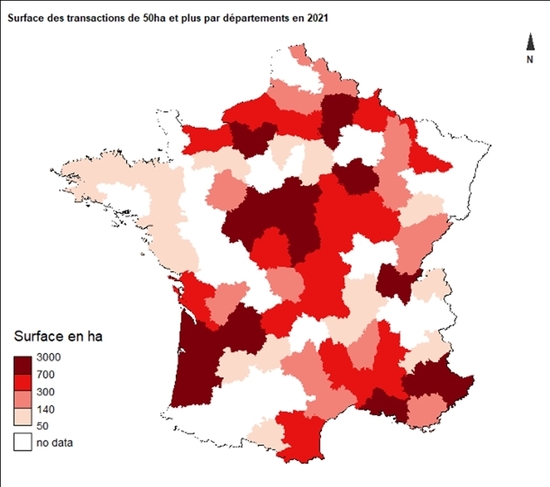
Legend: Evolution of the market for forests of more than 50 ha in volume and value. © Forêt Patrimoine & Comité des ForêtsPrices vary significantly depending on the context. The minimum price stands at €620 per hectare and can reach €26,000 per hectare in exceptional contexts in 2022. The average price per hectare for forests of more than 50 hectares in 2021 was €7,622, while that of forests marketed by Forêt Patrimoine was €19,700 per hectare.
Legend: Volume of the market for forests of more than 50 hectares by department in 2021. © Forêt Patrimoine & Comité des Forêts
Call on a forest sales expert at Forêt Patrimoine
The price of a forest can vary dramatically depending on a wide range of criteria that are difficult to master without excellent market knowledge.
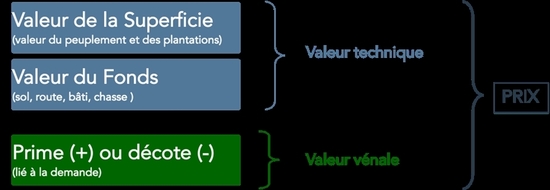
Forêt Patrimoine bases its valuations on a concrete analysis of all relevant parameters and relies on tangible elements such as:- The timber market price;
- The value of the land;
- New forms of value creation: renewable energy, biodiversity, CO2, landscape;
- Forest market analysis;
- Hunting (Sologne, South of France);
- Land pressure (greater South, peri-urban areas);
- New forest uses generating prices disconnected from purely technical value.
With nearly 20 years of experience and 265 forests sold, we are able to answer questions from all types of buyers: private individuals, investment funds, family offices, in order to guide their thinking and help them avoid potential pitfalls.
We can support acquisition projects from the initial idea through to finding the ideal forest that meets your aspirations and matches your investment objectives.
This may take time, but we are here to support you throughout the entire search and purchasing process and to advise you in selecting the appropriate forest manager.
This expertise has earned us the distinction of being the first agency in the sector to be certified “Regulated by RICS” since 2020.
We invite you to discover on this dedicated page how to buy a forest.
Where are our forests for sale located?
With 31% of French territory covered by forests, our listings are spread across the entire country. Some regions are more forestry-oriented and more dynamic on the market than others. We invite you to discover them here:
- Forest for sale in Île-de-France
- Forest for sale in Burgundy
- Forest for sale in the Centre region
We regularly publish online the forest properties entrusted to us for exclusive sale. For confidentiality reasons, not all are publicly listed, particularly the largest estates. If your project is well advanced, we invite you to share your search criteria by writing to us, completing our contact form or calling us at +33 (0)1 79 73 63 88.
-
-
Property for sale in
Auvergne-Rhône-Alpes -
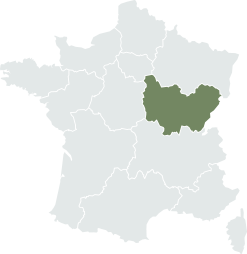
Property for sale in
Bourgogne-Franche-Comté -
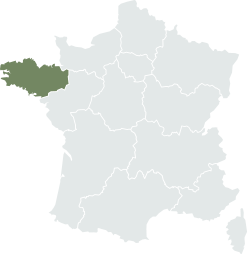
Property for sale in
Bretagne -
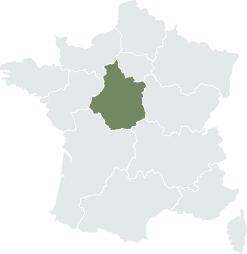
Property for sale in
Centre-Val de Loire -
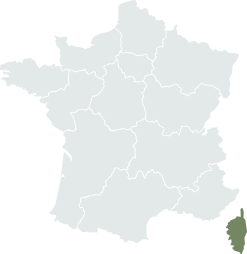
Property for sale in
Corse -
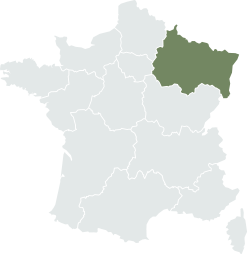
Property for sale in
Grand-Est -
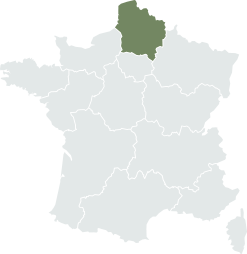
Property for sale in
Hauts-de-France -
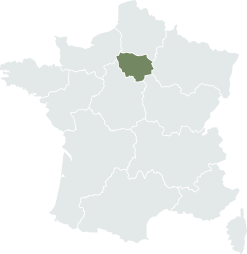
Property for sale in
Île-de-France -
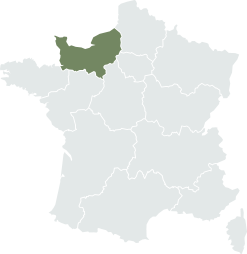
Property for sale in
Normandie -
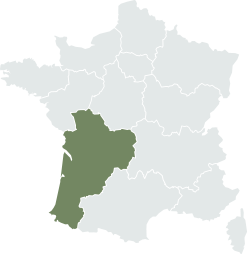
Property for sale in
Nouvelle-Aquitaine -
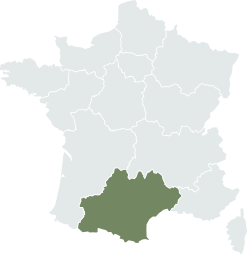
Property for sale in
Occitanie -
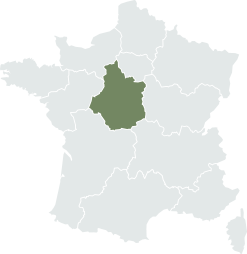
Property for sale in
Pays-de-la-Loire -
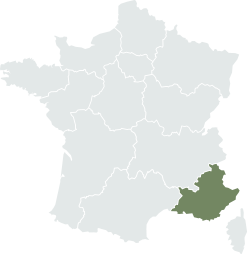
Property for sale in
Provence-Alpes-Côte d'azur