Our offers
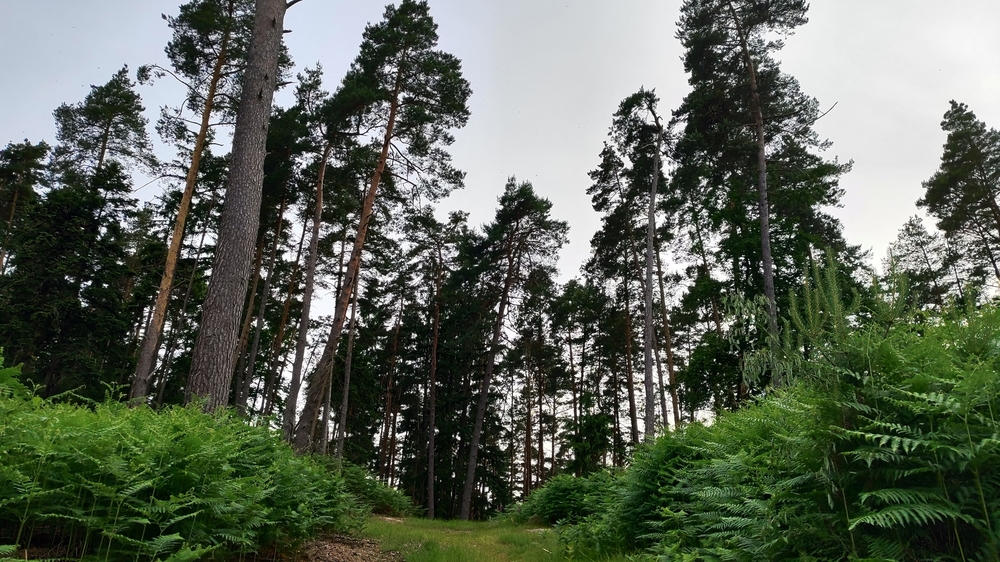
Forêts de Bournique et du Schwartzenberg
Grand-Est
/
Bas-Rhin
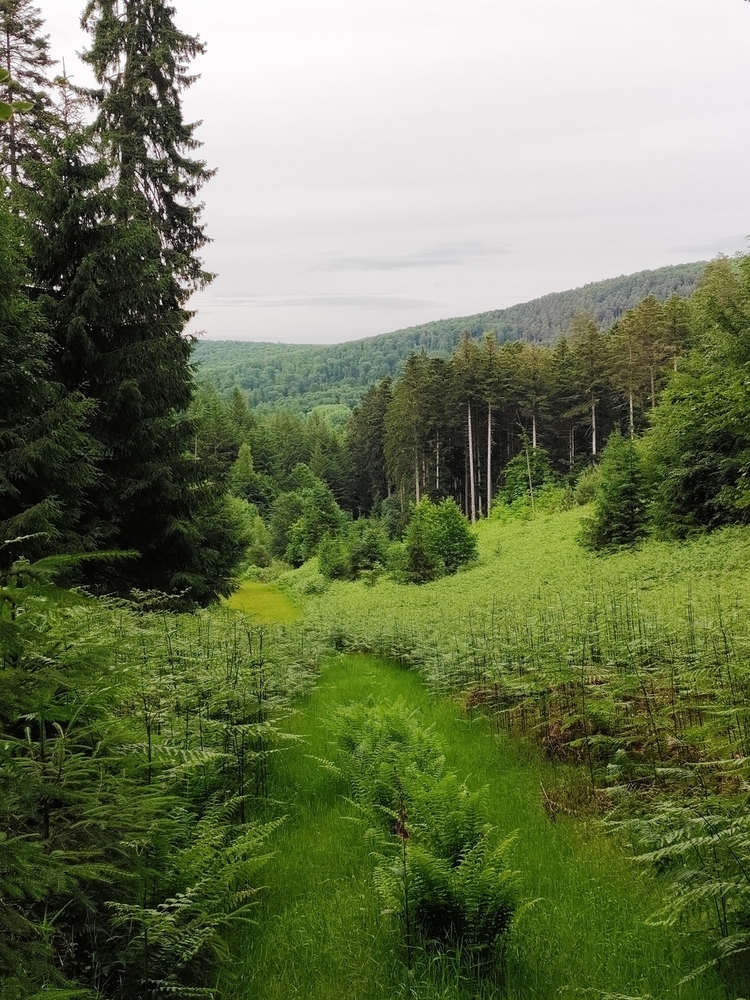
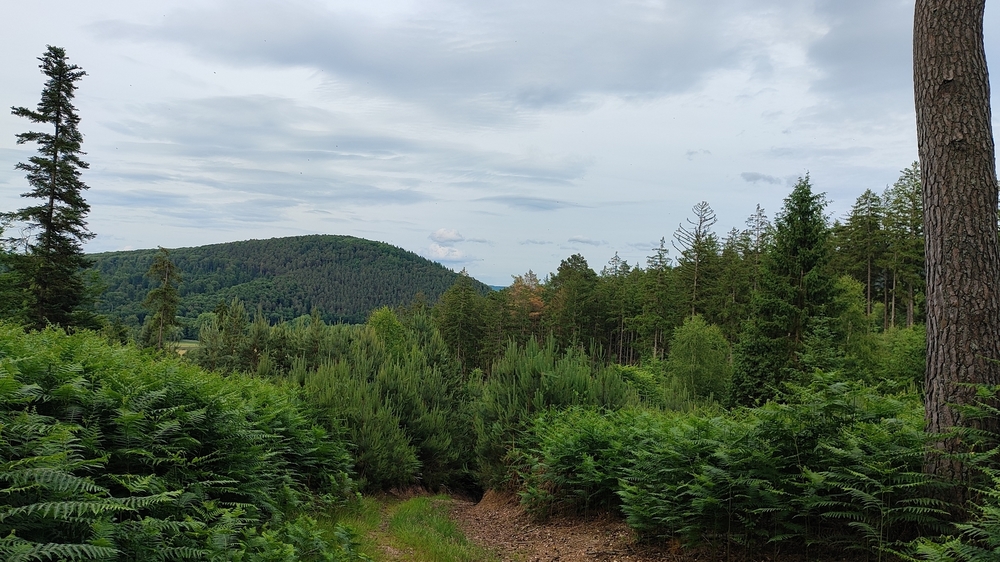
Located 35 km from Strasbourg and its TGV station, 1.5 hours from Nancy, and 10 minutes from the town of Urmatt, the forests of Bournique and Schwartzenberg stretch over 119 and 91 hectares on the eastern slopes of the Vosges. They are part of the Guirbaden forest, sharing its history and coherence.
.
- Primarily composed of high-quality conifers — Douglas firs, spruces, firs — as well as beautiful deciduous and mixed stands, this forest area represents a robust and structured forest heritage.
- Thanks to varied topography, a good access network, favorable forest soils, and a diversity of ages in the stands, these forests combine immediate forestry profitability (harvestable volumes, growing young plantations) with long-term heritage value.
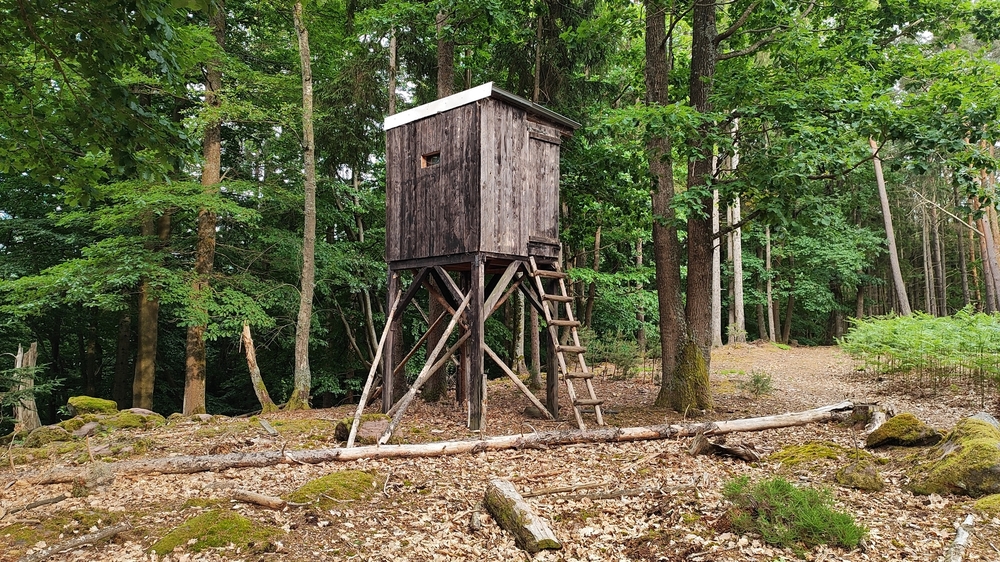
- It is also a recognized hunting area, integrated into the larger Guirbaden forest complex, with good hunting potential and management.
The Forest
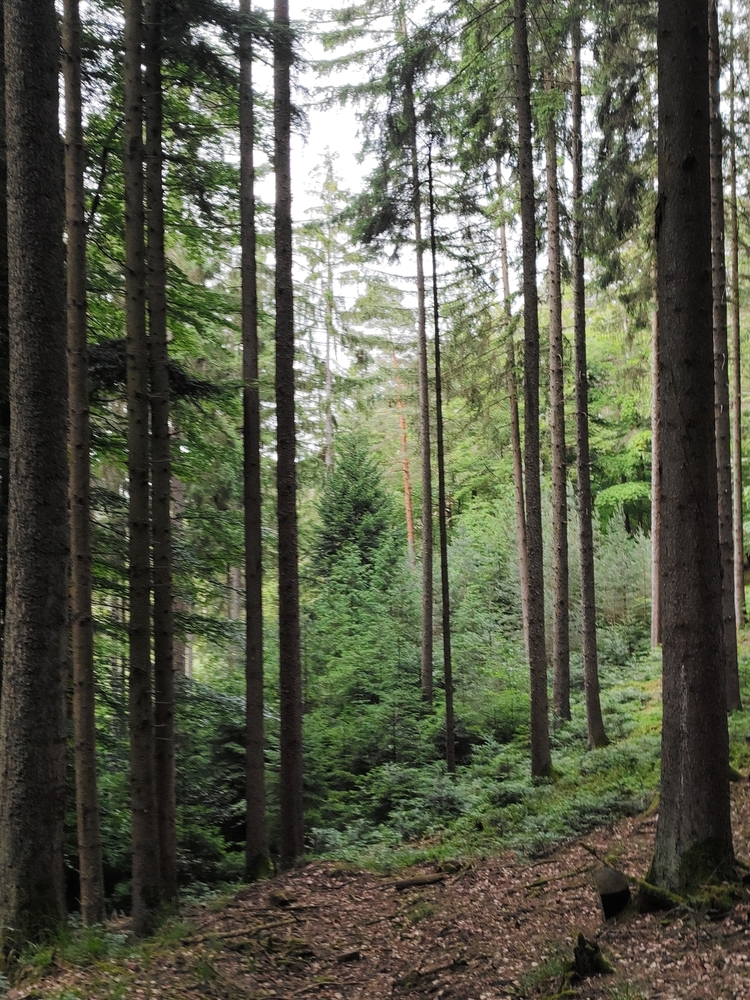
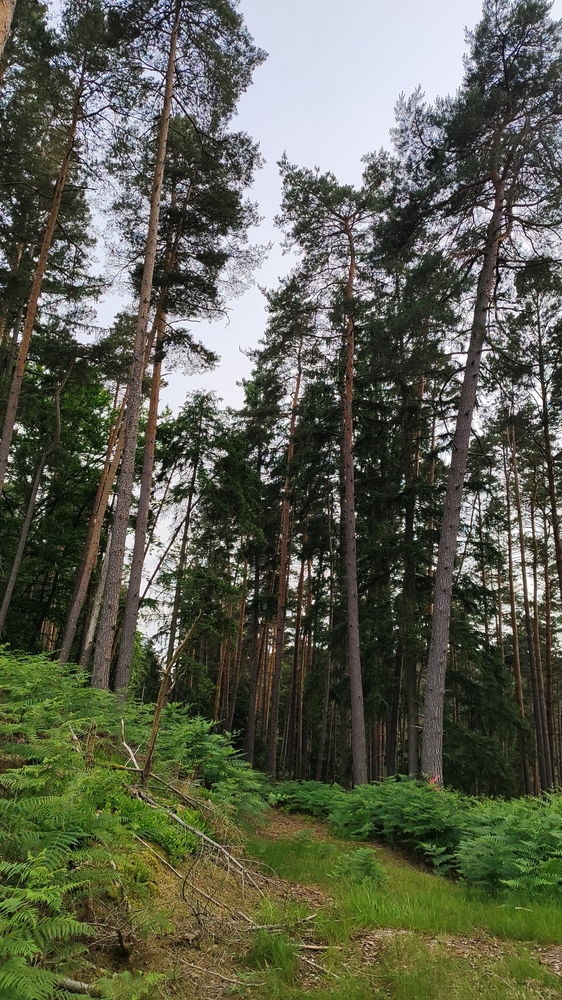
The property forms a compact entity of two close and complementary holdings. It is predominantly composed of mature conifer stands of very high quality. These are mainly located in the Bournique massif and consist of spruce, fir, and also pines.The Schwartzenberg massif, on the other hand, consists mainly of young conifer stands with a significant proportion of Douglas fir, which is by far the most productive species. There are also some pockets of deciduous trees and non-forested areas that could be converted to conifer stands or maintained as is for diversification purposes.
The Wood
The forest is predominantly composed of mature conifer stands of very high quality on the Bournique massif and consists of spruce, firs, and also pines.The Schwartzenberg massif consists mainly of young conifer stands with a significant portion of Douglas fir which is by far the most productive species
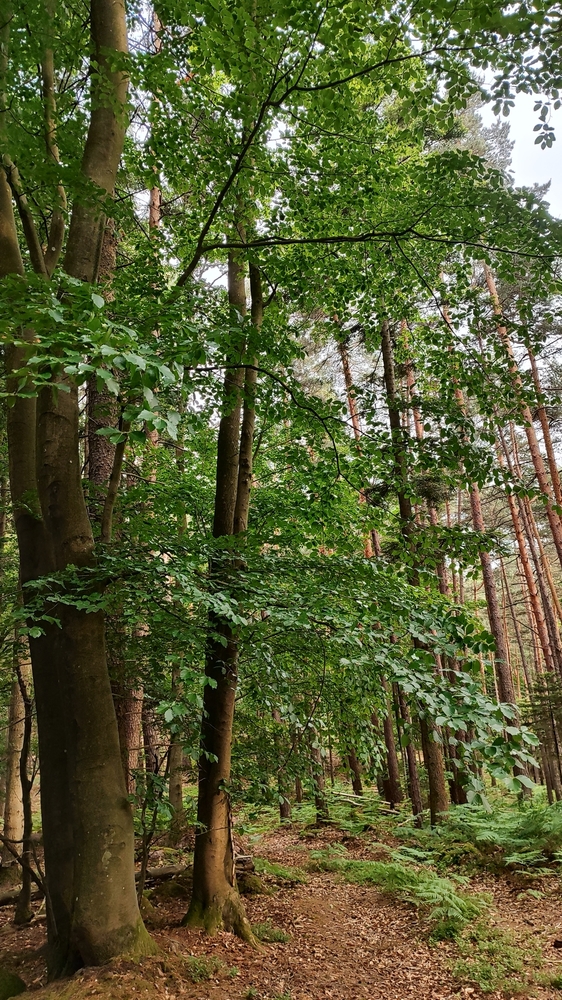
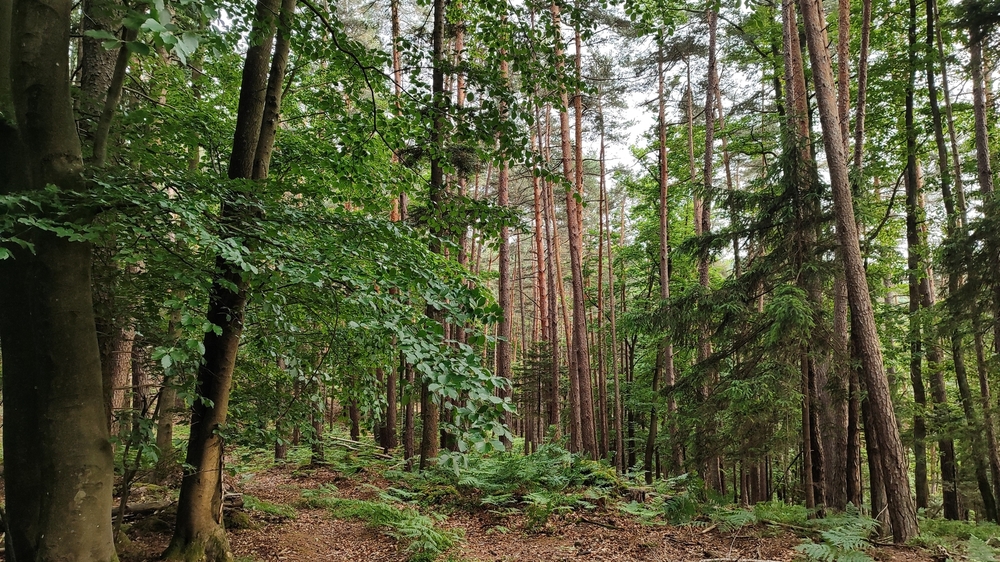
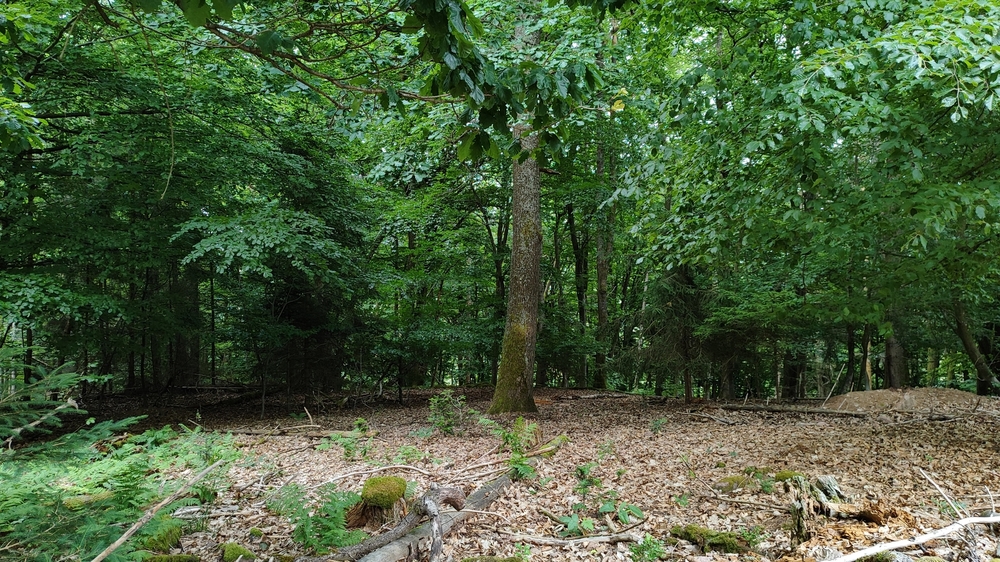
There are also some pockets of deciduous trees like oak, beech, maple, and non-forested areas that could be converted to conifer stands or maintained as is for diversification purposes.
The forest is composed of diversified stands in terms of species and age class.
The Bournique Forest Stand
1. Coniferous high forest: 49.23 ha2. Deciduous and mixed high forest: 30.7 ha
3. Young coniferous stand: 12.34 ha
4. Young deciduous and mixed stand: 17.47 ha
5. Plantations: 3 ha
The Schwartzenberg Forest Stands
6. Coniferous high forest: 11.2 ha7. Deciduous and mixed high forest: 18.33 ha
8. Young coniferous stand: 35.27 ha
9. Young deciduous and mixed stand: 21.38 ha
10. Plantations: 2.2 ha
11. Meadow: 3.61 ha
Conclusion:
The Bournique and Schwartzenberg Forests are high-quality, well-managed massifs.- Timber harvesting will ensure regular income for the future owner and will help improve the forest heritage. The young stands secure the future of this forest.
- This is a very rare property on the market. Its size, geographical location, absence of nuisances, and its productivity in high-quality conifers are its key assets.
- The well-followed silviculture has led the forest to a development level that allows for the harvesting of priority stands in the coming years, while having ensured the renewal in Douglas fir in particular. This property has always been a territory of high-quality hunting and the mastery of game management by the owner is able to adapt to the desires of its future owner.
.