Our offers
Forêt de Bonnechose
Normandie
/
Eure
The forest property is located in Eure, at the heart of the Pays d’Ouche. It is set in an environment typical of Normandy. The forest enjoys a privileged location due to its immediate proximity to the A28 motorway and the national road 13, which provides excellent accessibility: 2 hours from Paris, 50 minutes from Rouen, 40 minutes from Évreux, and 30 minutes from Bernay and its SNCF train station (direct connection to Paris-Saint-Lazare).
- The forest stand, consisting of regular oak and conifer high forests at various stages of maturity, offers a substantial timber capital, valuable both in the short and long term.
- The quality of its land structure and infrastructure contributes to rational and efficient forestry management.
- With its size, productive potentials, and location, near major communication routes, the Bonnechose forest presents a marked interest for both forest investors and nature and hunting enthusiasts.
This massif stands out for several sought-after advantages:
- A central location, in the heart of Normandy and easily accessible from Rouen, Caen, or Paris;
- A land unit forming a significant forest ensemble in a preserved setting;
- A quality forest heritage, composed of deciduous and coniferous high forests at various stages of maturity. Timber harvesting will both generate regular income and sustainably enhance the value of the massif
- Very good access, well structured, facilitating management and forestry operations.
The Forest
The Species
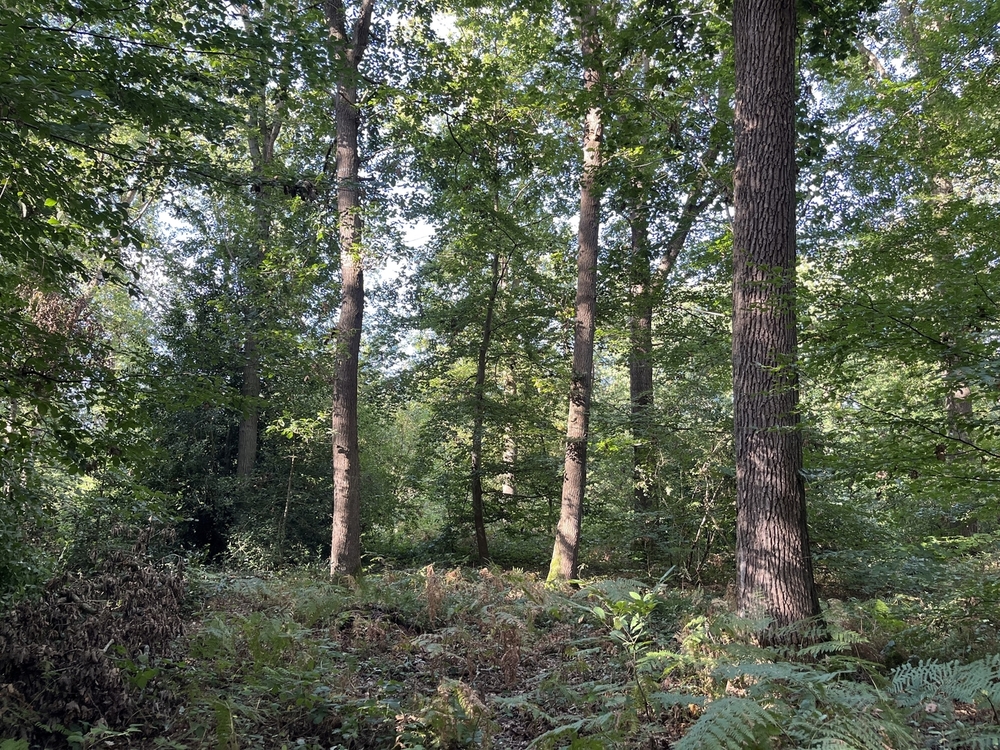
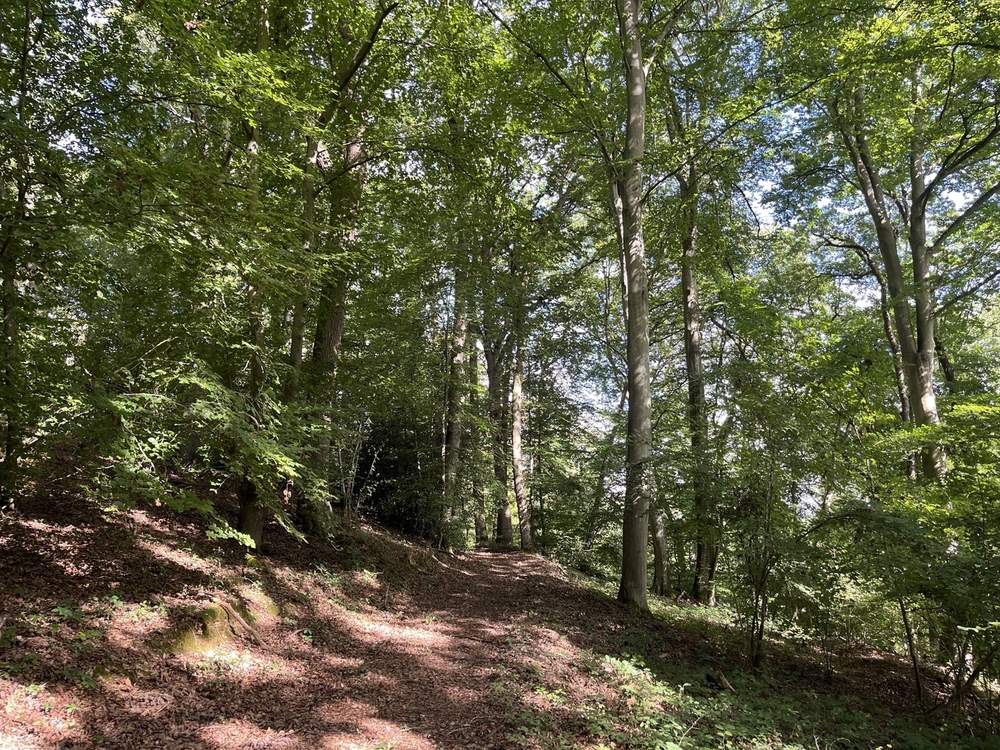
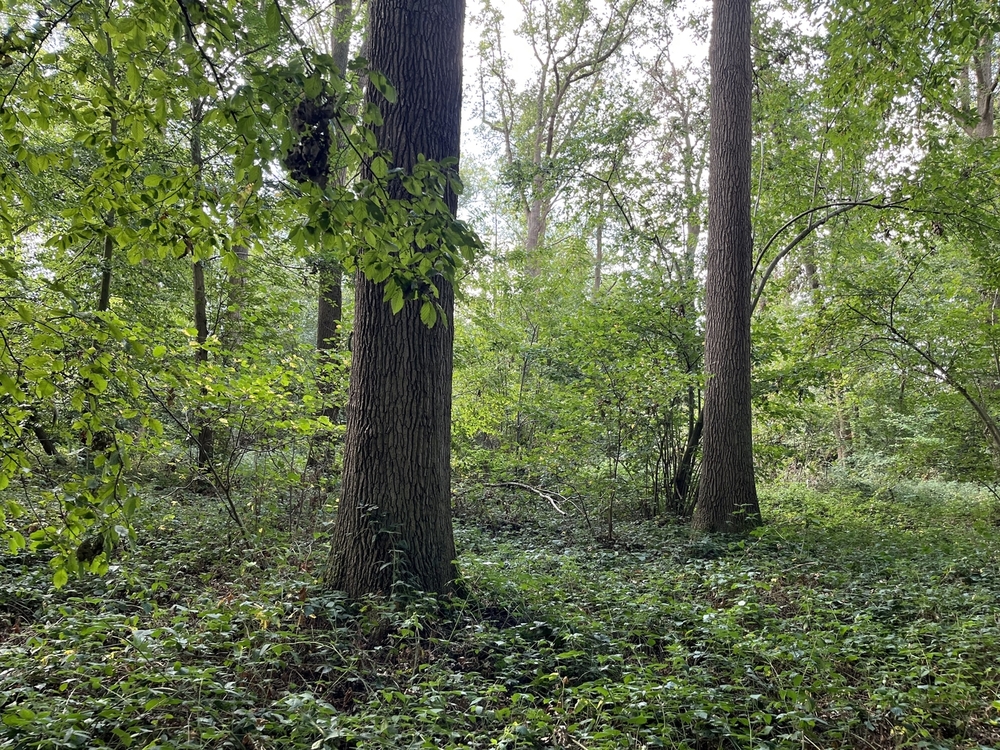
The Oak, predominantly sessile, dominates the deciduous species encountered. Tall trees, free of major defects and highly valued by processors. In the most capitalized plots, the quality portion (plot and veneer) is high.
The second deciduous species is the Beech, and where the soil is deep, it also provides quality wood. It is also present in old landscape alignments along the paths and roads crossing the property.
The Chestnut and more rarely the Ash and Wild Cherry complete the range of deciduous species present in the massif.
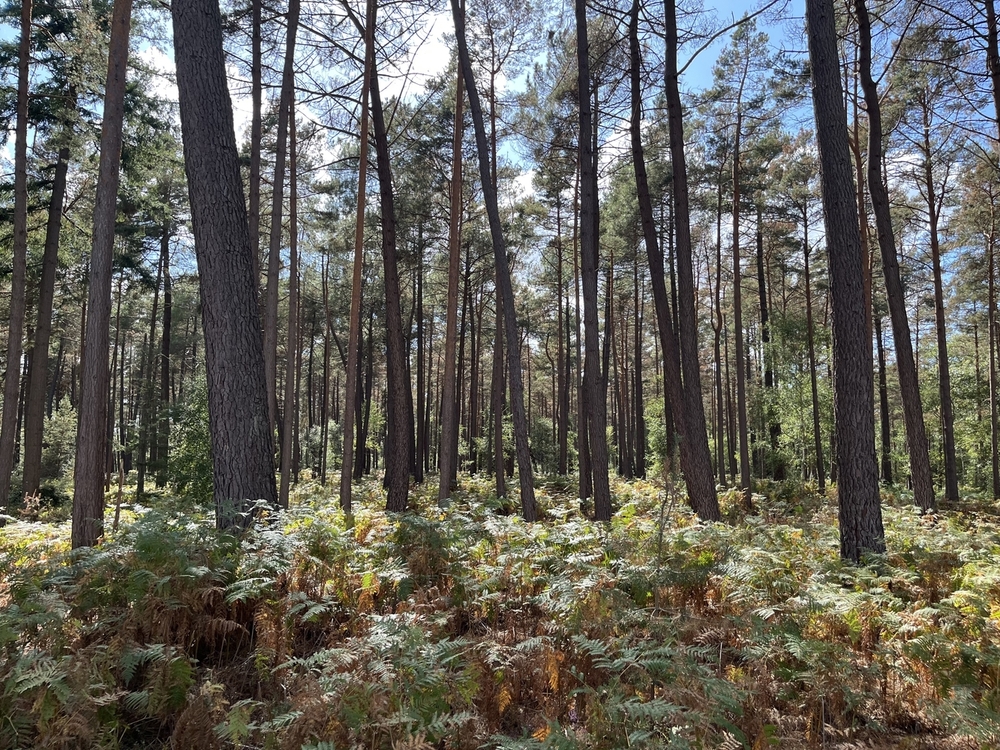
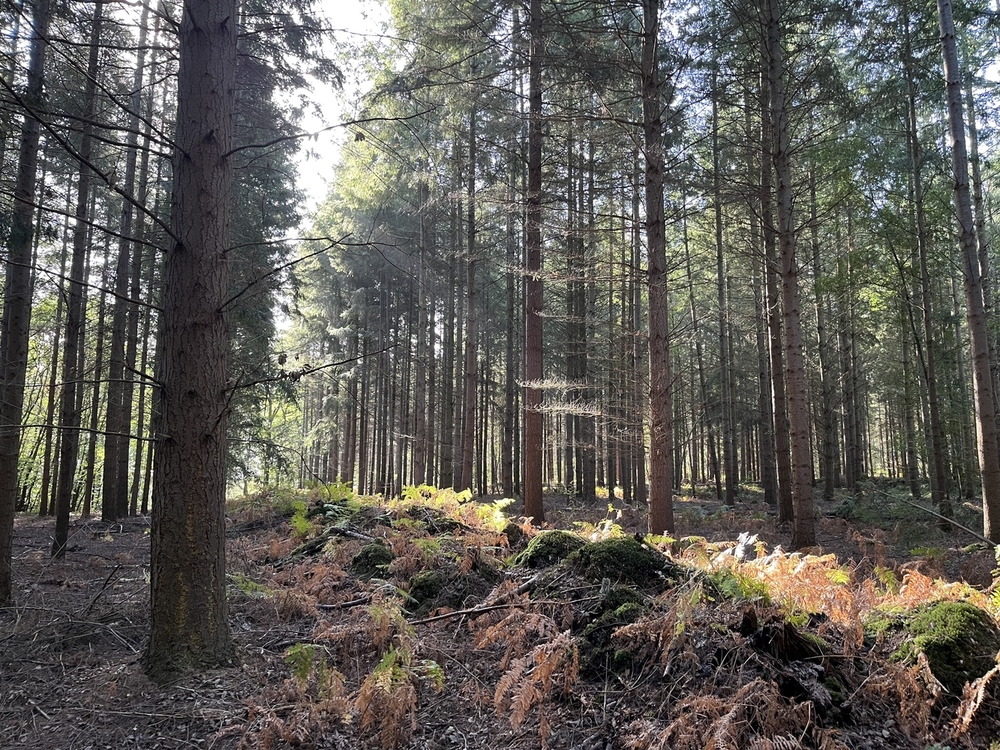
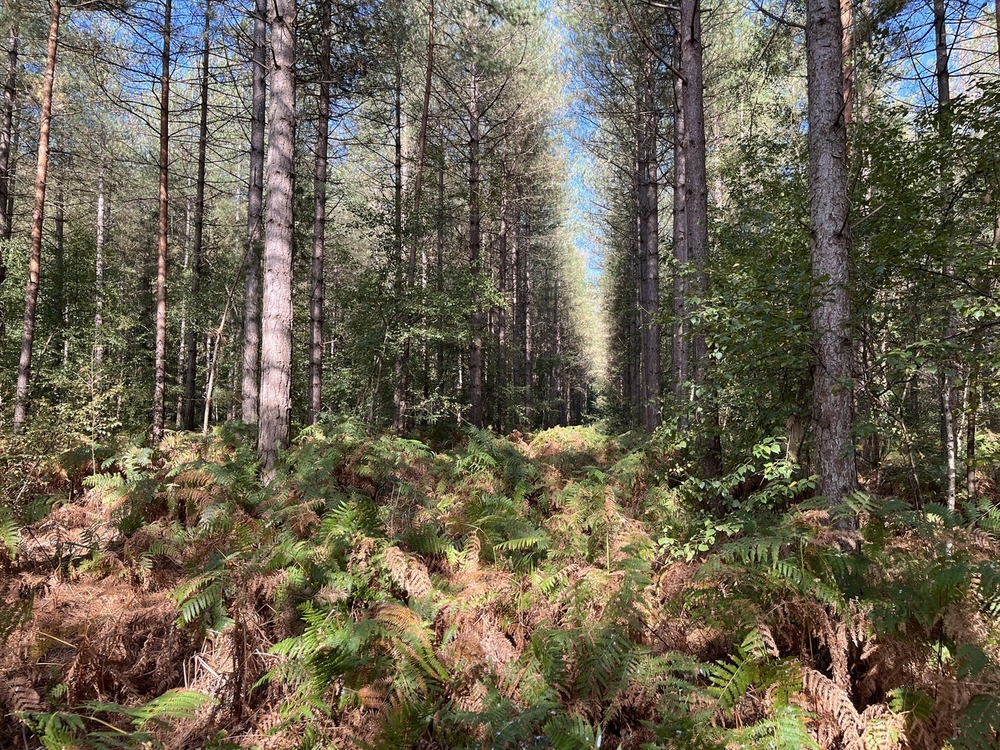
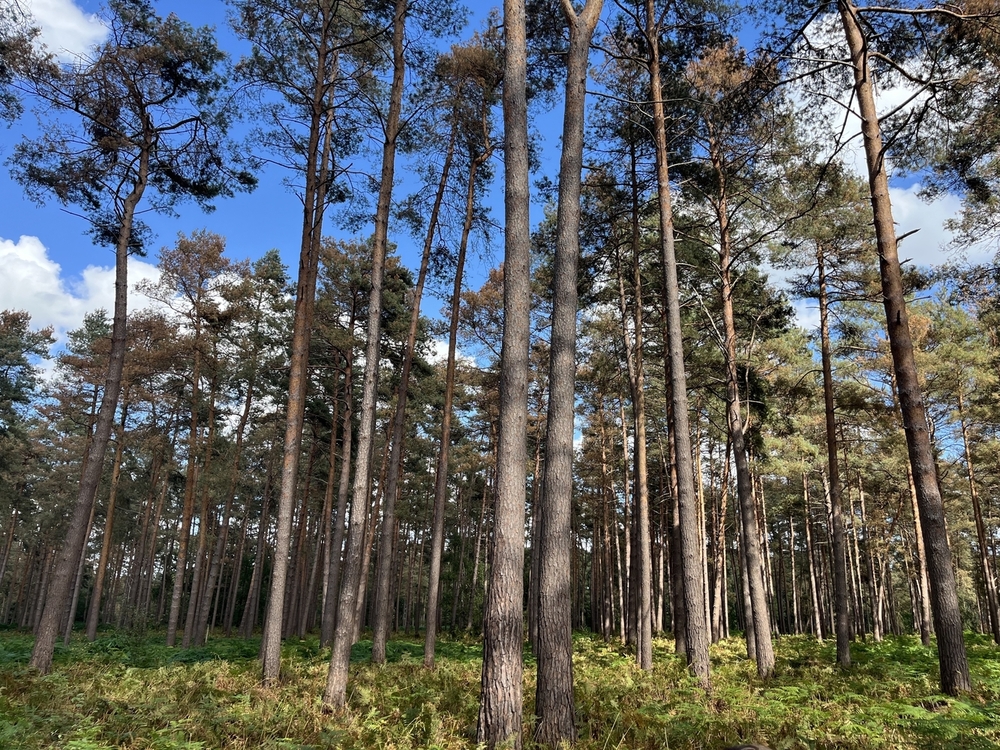
The Corsican Pine is the dominant species, mainly found in large plantations.
The Scots Pine is the second coniferous species. It is often of good quality with a naturally pruned and straight trunk.
The Maritime Pine, Weymouth Pine, Larch, and Douglas Fir have been introduced in small touches. The results are sometimes quite convincing.
The Stands
The forest is primarily composed of deciduous stands, mainly oaks. These stands, well-maintained and growing, present a balanced structure with a majority of medium woods. They are in good health and offer beautiful natural regeneration, dynamic in the gaps. The distribution of the stands is as follows:
1. Rich deciduous high forests: 90.45 ha
2. Mixed high forests: 33.33 ha
3. Coniferous high forests: 49.26 ha
4 Immature stands: 42.19 ha
5. Simple coppices: 2.76 ha
6. Other areas: 2.3 ha
Hunting
The territory benefits from a marked hunting interest, supported by two active hunting plans.
> The first covers 43 wooded hectares and allows the harvesting of 2 roe deer;
> The second extends over 200 hectares with a quota of 15 roe deer;
Besides these allocations, the massif hosts a population of wild boars and transient deer, enhancing the appeal and diversity of the hunting territory.
The size and quality of the stands make hunting particularly enjoyable and varied. If necessary, the existing hunting plans can be adjusted to better adapt to the observed population dynamics.
Conclusion
With over 225 hectares, the Bonnechose forest constitutes a particularly sought-after forest ensemble in this sector of Normandy.
- This land benefits from an ancient and solid reputation for producing top-quality oaks, whose quality is recognized well beyond the region.
- The combination of well-structured land, good access, and the quality of forest stations ensures ideal conditions for producing and easily mobilizing high-value timber.
- The significant stock of oaks and pines already in place, associated with well-followed resinous and deciduous plantations, indeed makes this forest a top-tier forest heritage.
The dynamic natural regeneration of oaks, complemented by Corsican pine plantations, further guarantees a progressive renewal of the stand at a controlled cost.
The upcoming harvests will occur in a favorable market context for quality oak and conifers, confirming the relevance of a management oriented towards the production of excellent timber.