Our offers
Les chênaies
Bourgogne-Franche-Comté
/
Nièvre
To the west of Burgundy, 35 km from Nevers and Auxerre, 10 minutes from Clamecy and 2 hours 40 minutes from Paris via the A77, les Chénaies is a group of forest units close to each other, representing a total of nearly 100 hectares inventoried.
- Recently inventoried, these forest units are predominantly composed of oak.
- The presence of several large high-quality timber stands allows for profitable exploitation without delay.
- The fertility of the soils in these massifs, which support natural regeneration, also allows for long-term capitalization on the finest stands.
- These two forest massifs are located at the northern and southern extremities of the Nièvre department, in complementary silvicultural contexts.
The Forest
Both units offer both immediate production potential and favorable conditions for long-term management, particularly due to the very favorable forest dynamics for oak.
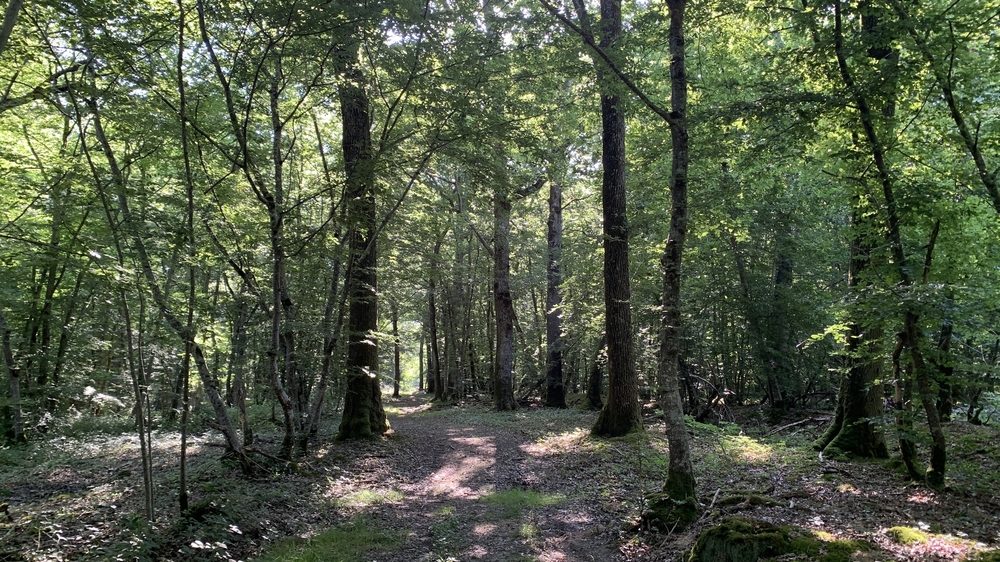
Accessibility to its plots is satisfactory. The plots are served by forest paths connected to public roads and paths allowing the circulation of light vehicles and making possible the access of logging trucks.
Forest management is ensured by the Committee of Forests and more specifically by the Cabinet LABBE. Definition, organization, and monitoring of the implementation of the PSG are thus orchestrated by the team whose offices in Narcy (58) and Saint-Fargeau (89) are only a few kilometers away.
Set no.1, Forest of Billy-sur-Oisy and Étais-la Sauvin: 35 ha 38
- Three distinct and non-contiguous parcels
- Adjacent to vast forest massifs
- 10 minutes from Clamecy, 50 minutes from Auxerre, and 1 hour from Nevers
Set no.2, Forest of Saint-Pierre-le-Moutier: 63 ha 90
- Seven parcels grouped in the vast Mussy massif
- 22 km south of Nevers
The Wood
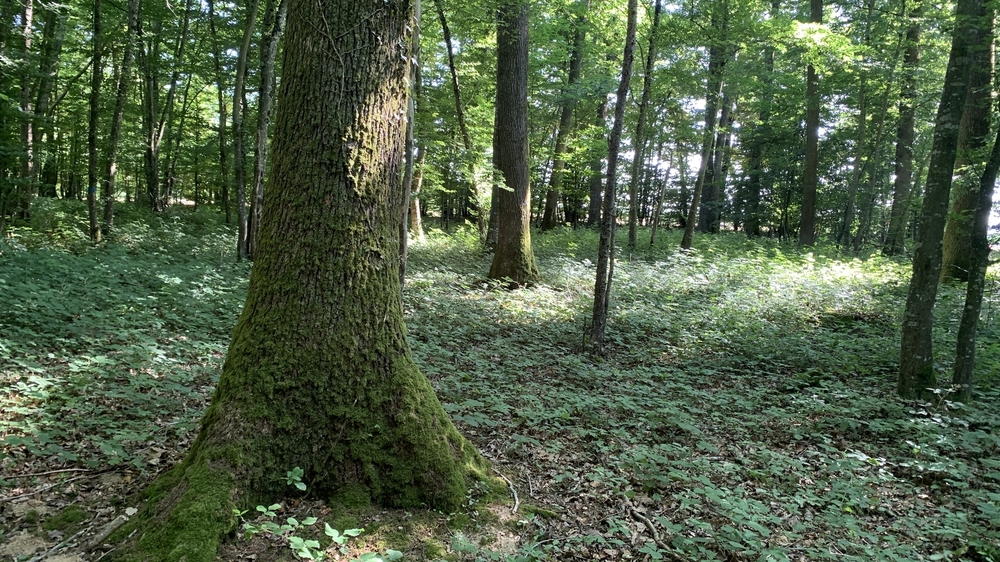
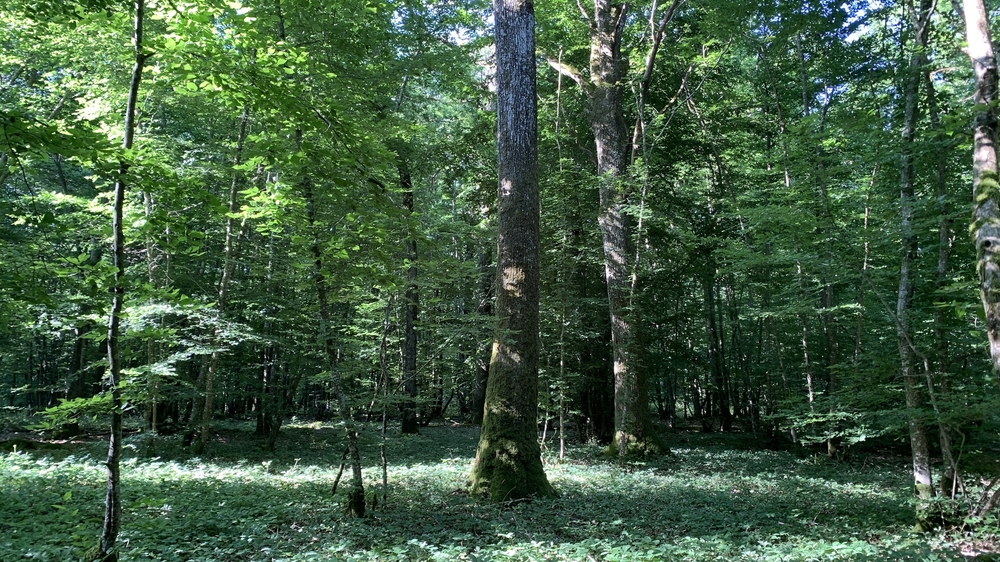
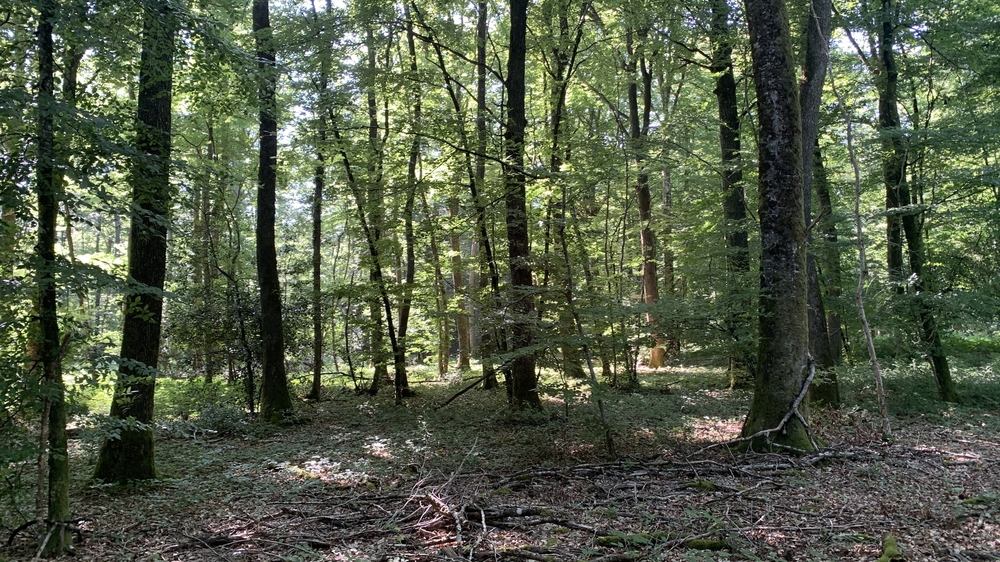
The sessile and pedunculate oaks constitute the bulk of the hardwood timber in the massifs. These good forest sites are very favorable for the growth of oak.The canopies are very dynamic and the stems well-formed: the straightness is good. The knottiness is minimal, frost crack is anecdotal.
Under these site conditions, regeneration establishes itself particularly well.
Beech is present sporadically, in coppice, and mixed with oak in high forest. The young stems are dynamic and well-formed.
Hornbeam is the main species of the coppice. It is quite vigorous on these sites, and skillfully managed by thinnings in favor of natural oak regeneration.
All parcels have undergone a thorough tree-by-tree inventory. This rigorous work allows for precise knowledge of the composition of the capital present on the different parcels.
Complete inventory results are available upon request.
Hunting
In all the parcels, roe deer are continuously present and wild boar pass through.Today, no damage is observed on the stands, as natural regeneration has only gradually begun in recent years thanks to sustained culling; hunting plans are carried out every year. Hunting is currently leased to two teams.Key Takeaways
- Located in a strategic forest sector of the Nièvre, at the crossroads of the Nivernais plateau and the Bourbonnais, these two properties form a coherent and balanced set of nearly 100 hectares.
- They are situated in the heart of a territory known for the exceptional quality of its oak groves, and within a dynamic wood transformation basin, oriented towards markets of excellence such as cooperage.
- Supported by good forest sites and benefiting from vigorous stands, these massifs present an immediate potential for mobilization, with exploitable volumes in the short term, while offering solid long-term valuation prospects. The increasing rarity of quality wood, combined with sustained demand both in France and internationally for stave oak, gives these forests remarkable heritage and economic value.
- Finally, the game hunting asset, with a regular presence of large game, complements the interest of this investment.