Our offers
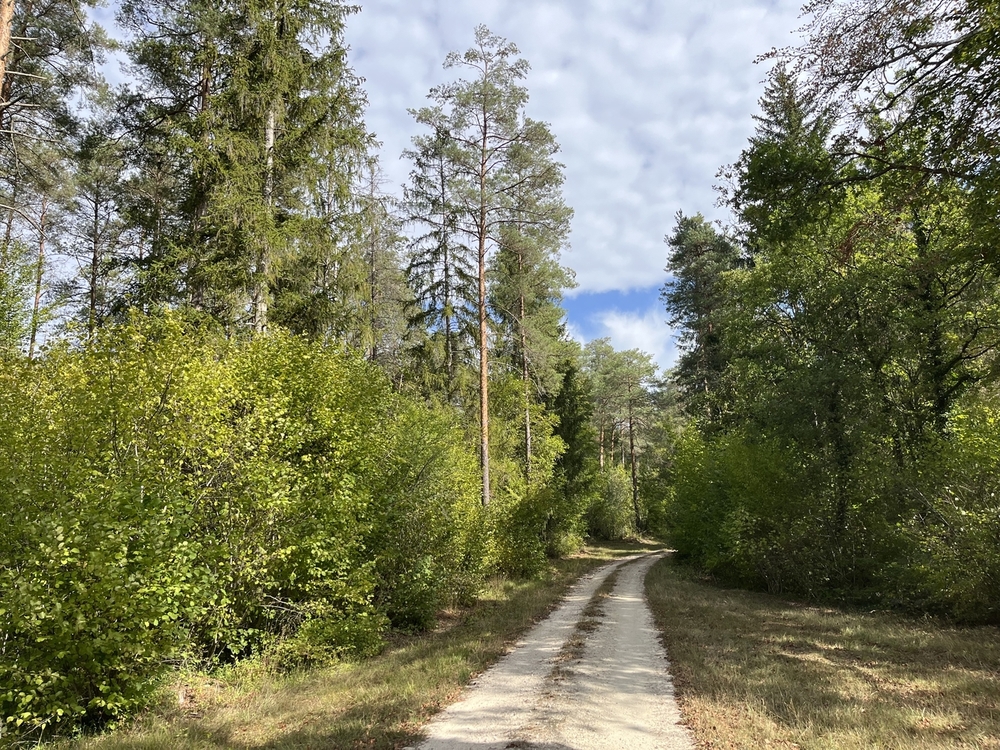
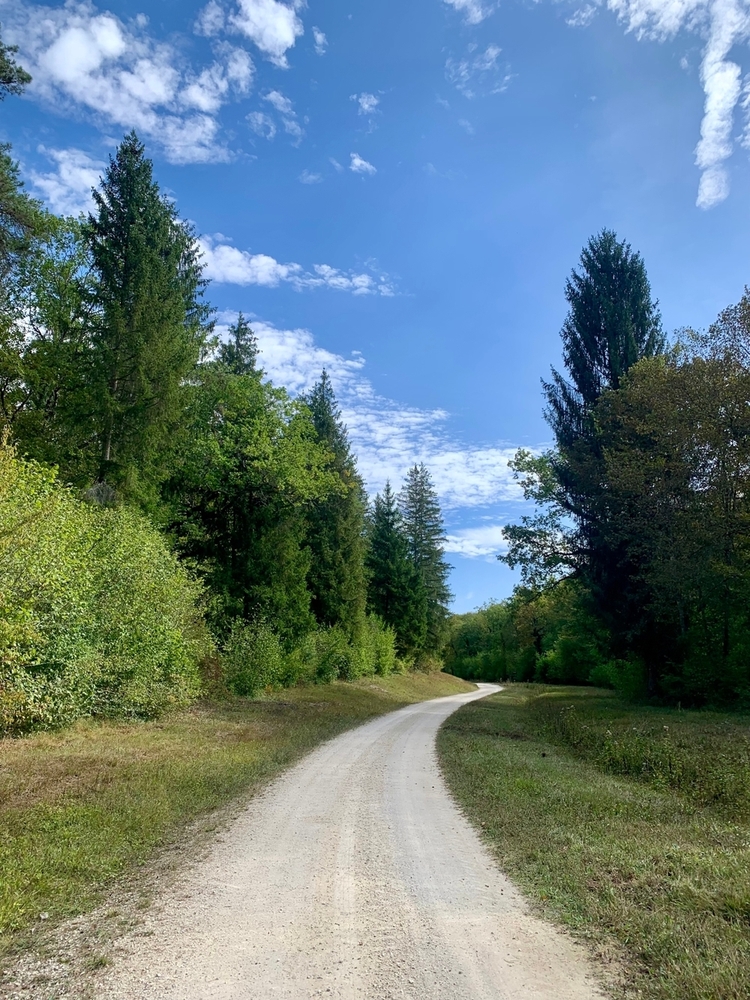
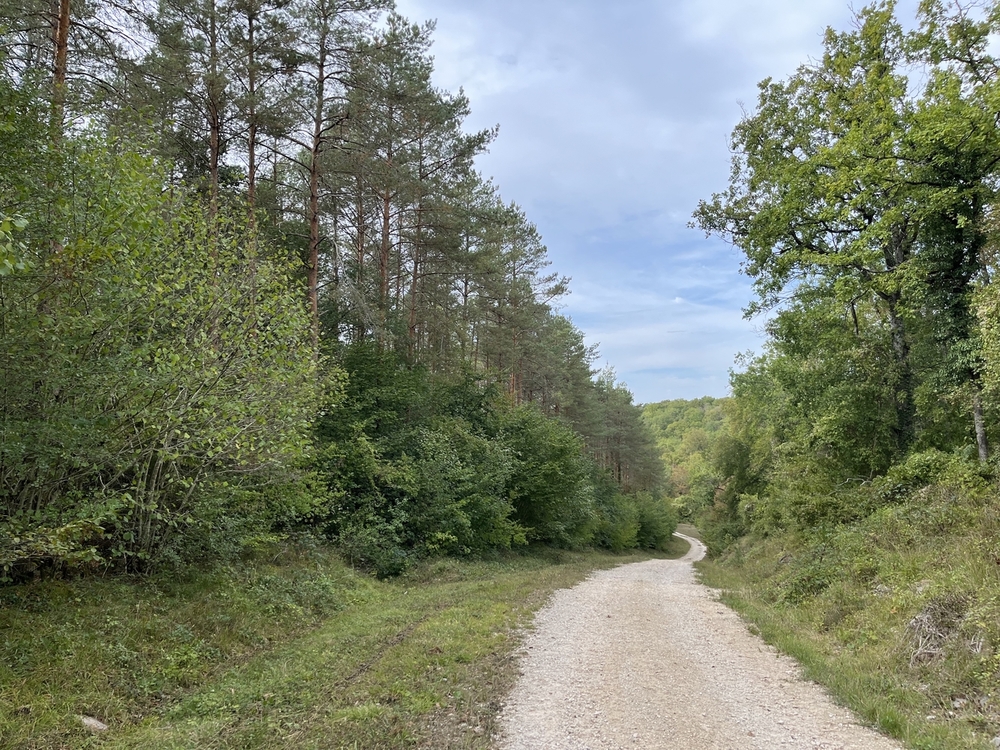
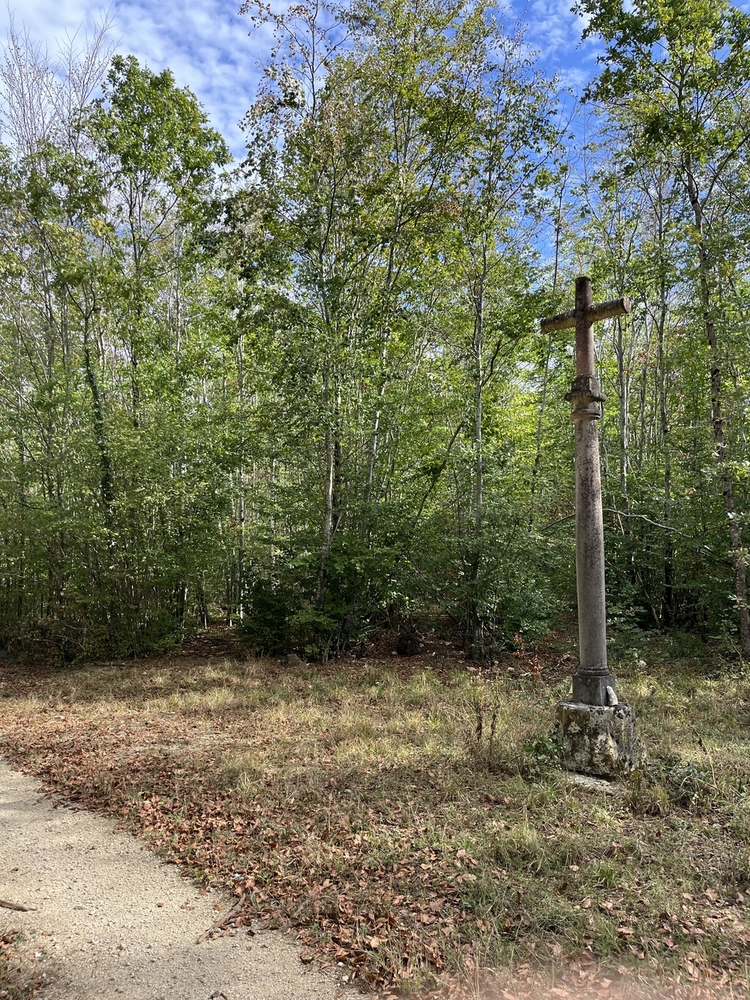
Forest from Perrigny-sur-Armançon
Bourgogne-Franche-Comté
/
Yonne
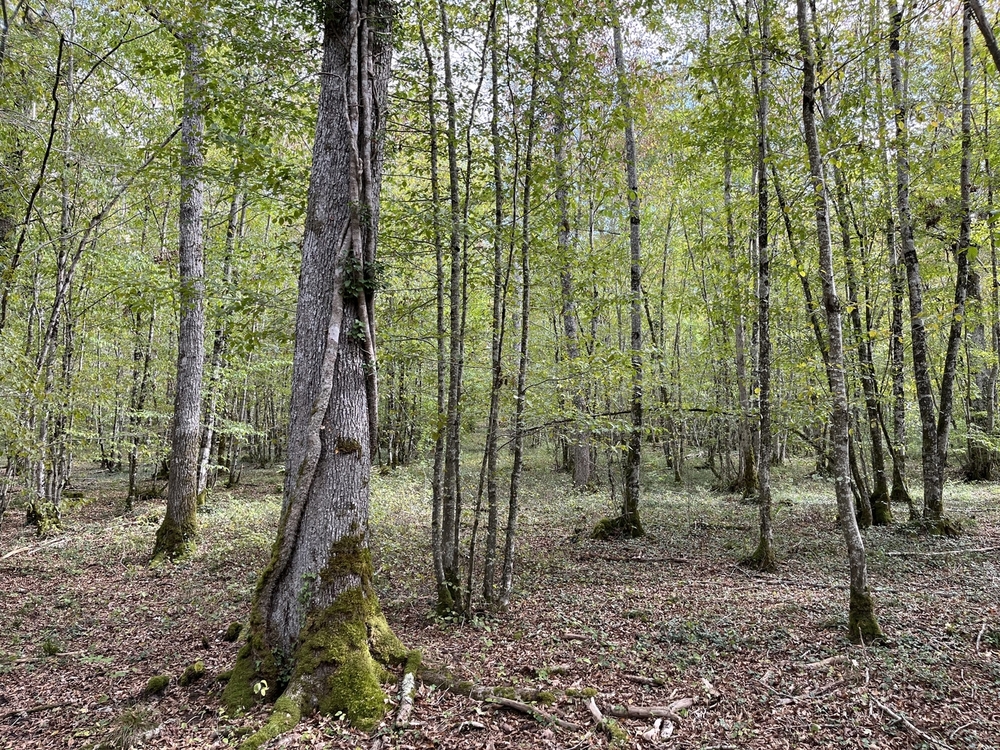
In the heart of the Burgundy plateaus, between the Morvan and Forests Regional Natural Parks and in a densely wooded region, the Perrigny forest covers 1742 hectares. This property is located on either side of the Armançon valley and the Burgundy Canal. Montbard and its TGV station, with daily connections to Paris, are about ten kilometers to the southeast. Auxerre is 60 km away, or one hour by road.
A vast forest estate of exceptional scale for the French market, this Property is very well-maintained and accessible.
It consists of several significant holdings around a main contiguous block of 953 hectares.
- This forest stands out for its remarkable biodiversity and the variety of its natural habitats, offering great forestry potentials and a hunting area whose reputation extends well beyond Burgundy.
- Located in an ecologically rich region, the Perrigny forest also allows for the implementation of innovative initiatives in conservation and ecosystem services.
- As such, it represents a particularly relevant investment for an investor looking to diversify their income in a sustainable development approach.
- The access provided by the Montbard TGV station, making it easily reachable from Paris (2h30), is a significant factor for a property of this size.
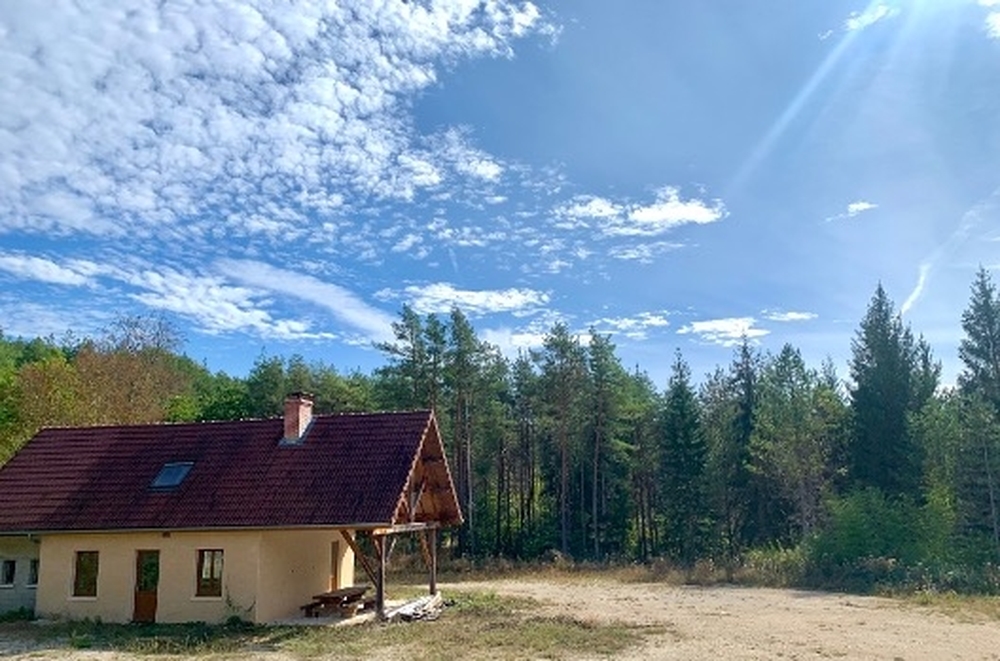
- At the heart of the main massif, a recently renovated forest house provides the necessary comfort for organizing hunts or creating a lodge.
The Forest
Spread on either side of the Armançon valley and the Burgundy canal, around the town of Perrigny-sur-Armançon, the forest comprises six entities, with additional smaller satellites. The main massifs are:
- Main massif: 953 ha 10 a
- Four, Chamailly, and le Crochet: 336 ha
- Bois de Garle: 247 ha 18 a
- Massif de la Cra: 81 ha 63 a
- Massif de la Charmelle: 80 ha 53a
- Massif des Mines noires: 29 ha 30a
Access and roads
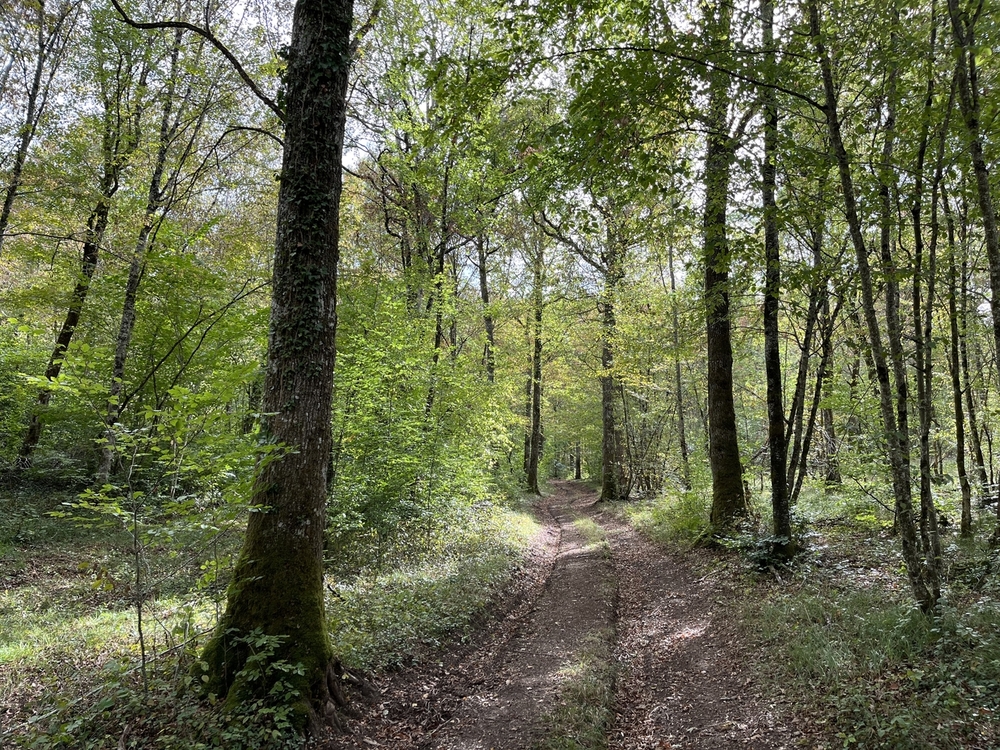
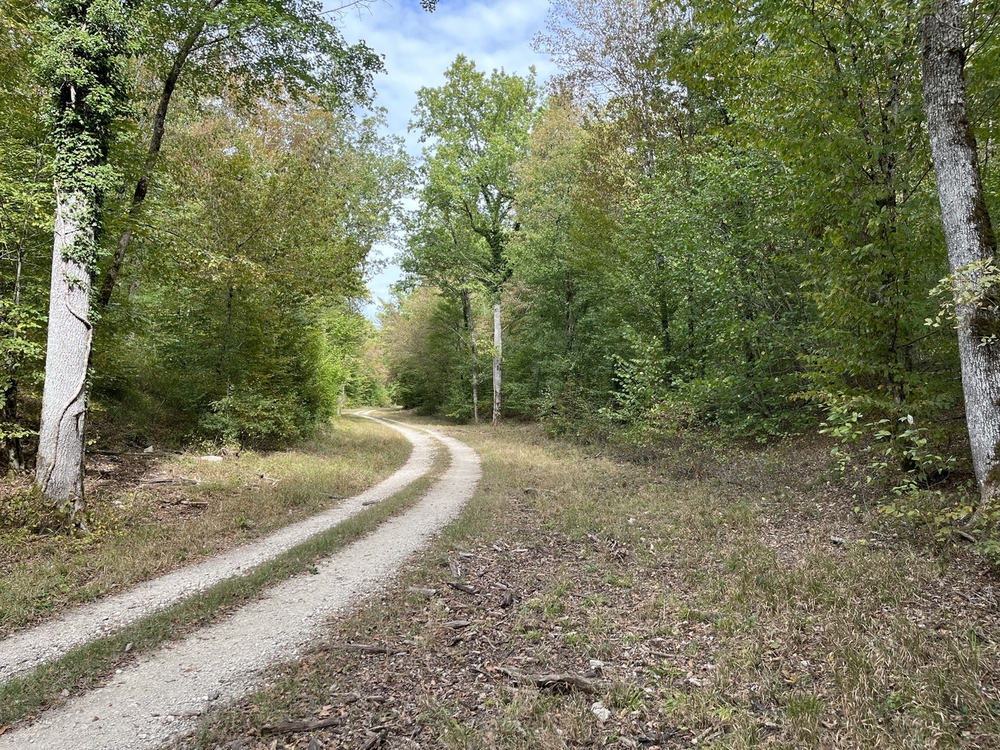
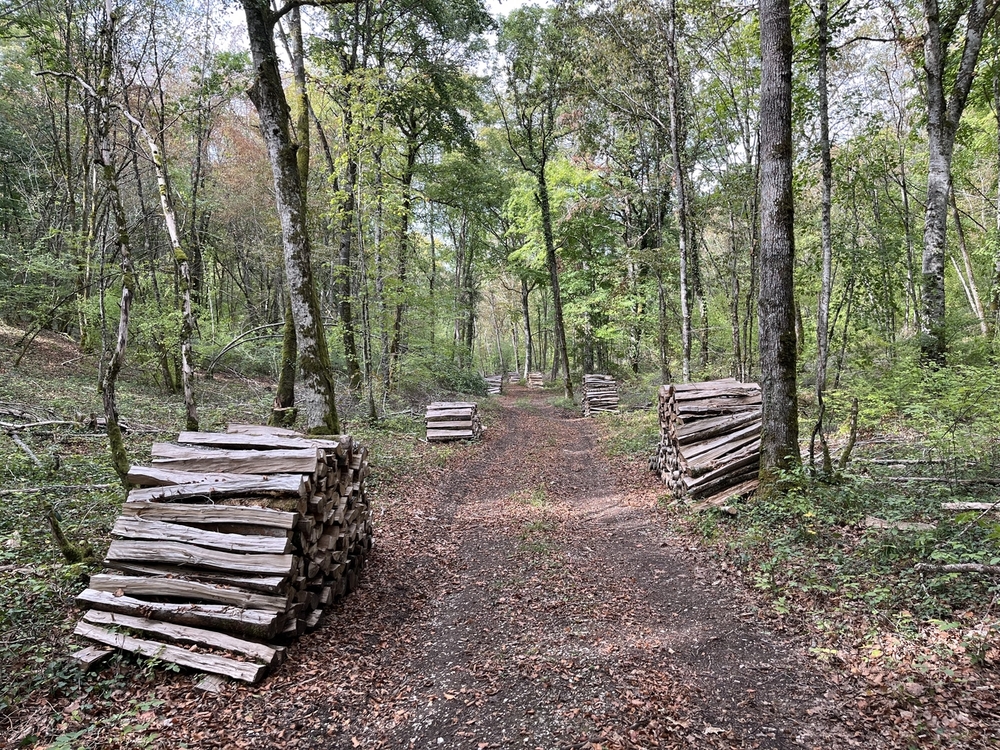
The different massifs of the forest are generally located close to, or crossed by, departmental roads.The creation of numerous forest roads within the massifs over the past decades has significantly improved the accessibility of the various units. These substantial efforts now make the majority of the area accessible to logging trucks.
A significant portion of the steep slopes are now exploitable, thanks to advancements in techniques and the creation of suitable paths.
A dense network of trails and paths perfectly structures a well-maintained forest parcel system, ensuring good organization of operations and hunting.
The parcels consist of 117 plots perfectly delineated on the ground, varying in size from 7 to 25 ha. The maintenance of the trails is regularly ensured.
Tree species
The species are mainly deciduous, although some sites offer beautiful conifers.The oak is the main species with a very strong dominance of sessile and pedunculate oaks. Downy oak appears on the hottest sites. The quality of the oaks and their dynamics are heterogeneous, closely correlated to the potentials of the sites. On sites capable of providing timber, it is present in high forest. On deep soils and well-exposed slopes, the quality is very satisfactory, allowing for the production of high-value timber. On more superficial and drying sites, the lower vigor and the knottiness related to water stress and the previous coppice-with-standards treatment reduce the quality.
Scots pine dominates while Corsican pine and black pine are also encountered, completing the coniferous species range.
The beech is present in high forest in a minority way.
Precious hardwoods, service tree, whitebeam, sorbus and wild cherry are frequently found as isolated individuals, sometimes of quite remarkable quality.
Apple and pear trees are more rarely present.
Trees that have reached the dominant layer can be of beautiful quality and especially achieve commercially interesting diameters.
Field maple is also present while ash appears very locally.
Stand types
Eight types of stands are detailed in the presentation notice available upon simple request.Here are the details:
1. Deciduous stands with predominant oak in high forest - 1184 ha 17
2. Young deciduous high forest - 21 ha 59
3. Deciduous coppice / pole stage – 57ha 23a
4. Simple coppice - 330 ha 84a
5. Sycamore maple high forest - 0 ha 43
6. Coniferous high forest – 132 ha 61a
7. Young plantations – 5 ha 75a
Biodiversity
The ecological and natural capital of this territory allows for the consideration of complementary conservation and valorization initiatives.The buildings
A house, forest house located at the heart of the main massif, freshly renovated offers all the necessary comforts (cistern water, septic tank, generator in a separate building). This property, which remains to be furnished, offers various opportunities: high-quality hunting relay, secondary home, or rental.
Hunting
This large forest is located in a region very renowned for hunting which is currently leased to different groups. Three annual agreements govern the relationships between the owner and the hunters for a total annual rent of about 60,000 euros.
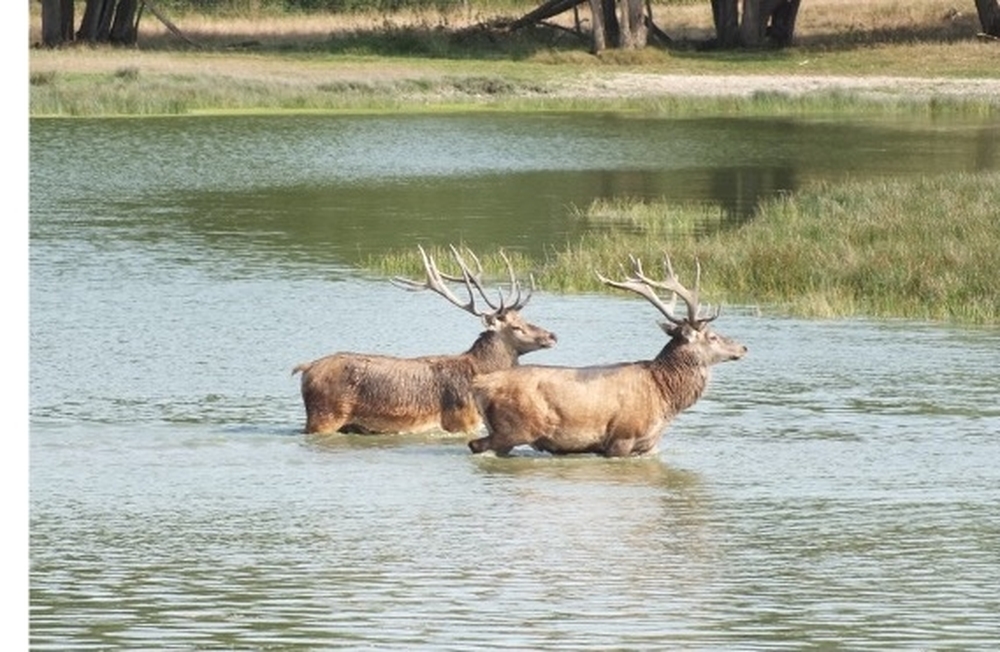
Deer, roe deer, and wild boar are the main attractions of these vast territories that remain wild. The bucolic and very preserved setting of the different massifs combined with the diversity of stands and excellent accessibility allow for authentic hunting in an open environment.
The recently renovated forest house at the heart of the main massif has the potential to become a high-quality hunting relay, and there is also a hunting cabin in the Bois du Four.
Conclusion
A forest estate of exceptional size, unique in France, the Perrigny Forest offers great forestry and hunting potentials:
- Its central location in Burgundy, its proximity to Paris, as well as the quality of its layout, maintenance, and accessibility allow for easy forest exploitation and the organization of memorable hunts.
- The vast natural space that this forest constitutes perfectly meets the expectations of institutional and private investors looking for a socially responsible investment with great development potential.
- This investment also allows for a diversification of the portfolio and, due to the low correlation with other asset classes, such as stocks or bonds, it contributes to reducing the overall volatility of the portfolio.
- Forests are also considered a protection against inflation, as the value of wood and forest products tends to increase when prices rise.